Quick Facts
- Best Overall Value: Modern seniors find the lowest prices through online platforms like Zenni or warehouse giants such as Costco Optical, where the median cost is around $160.
- 2026 Benefit Change: A major win for household budgets—Medicare Part D out-of-pocket spending is now capped at $2,100, leaving more flexible funds for vision health.
- Top Technical Tip: Always prioritize anti-reflective coatings for night driving safety; however, blue-light filters are usually a non-essential cost-adder.
- Savings Hack: You can avoid the high markup of new frames by sending your existing high-quality frames to specialized labs for new lenses, potentially saving $100-$300.
- Significant Statistics: Because more than 90 percent of adults aged 55 and older require prescription eyeglasses, managing these costs is a primary pillar of long-term retirement budgeting.
- Hidden Costs: Without insurance, the average out-of-pocket cost for a complete pair of prescription glasses is approximately $350, making insurance or strategic shopping vital.
Seniors can find affordable prescription glasses by comparing prices between warehouse clubs and online retailers like Zenni Optical or Warby Parker. Significant savings are also possible by reusing existing frames for new prescriptions and opting for photochromic transition lenses instead of purchasing separate pairs for indoor and outdoor use. Comparing bundled packages for frames and lenses often provides better value than purchasing components separately.
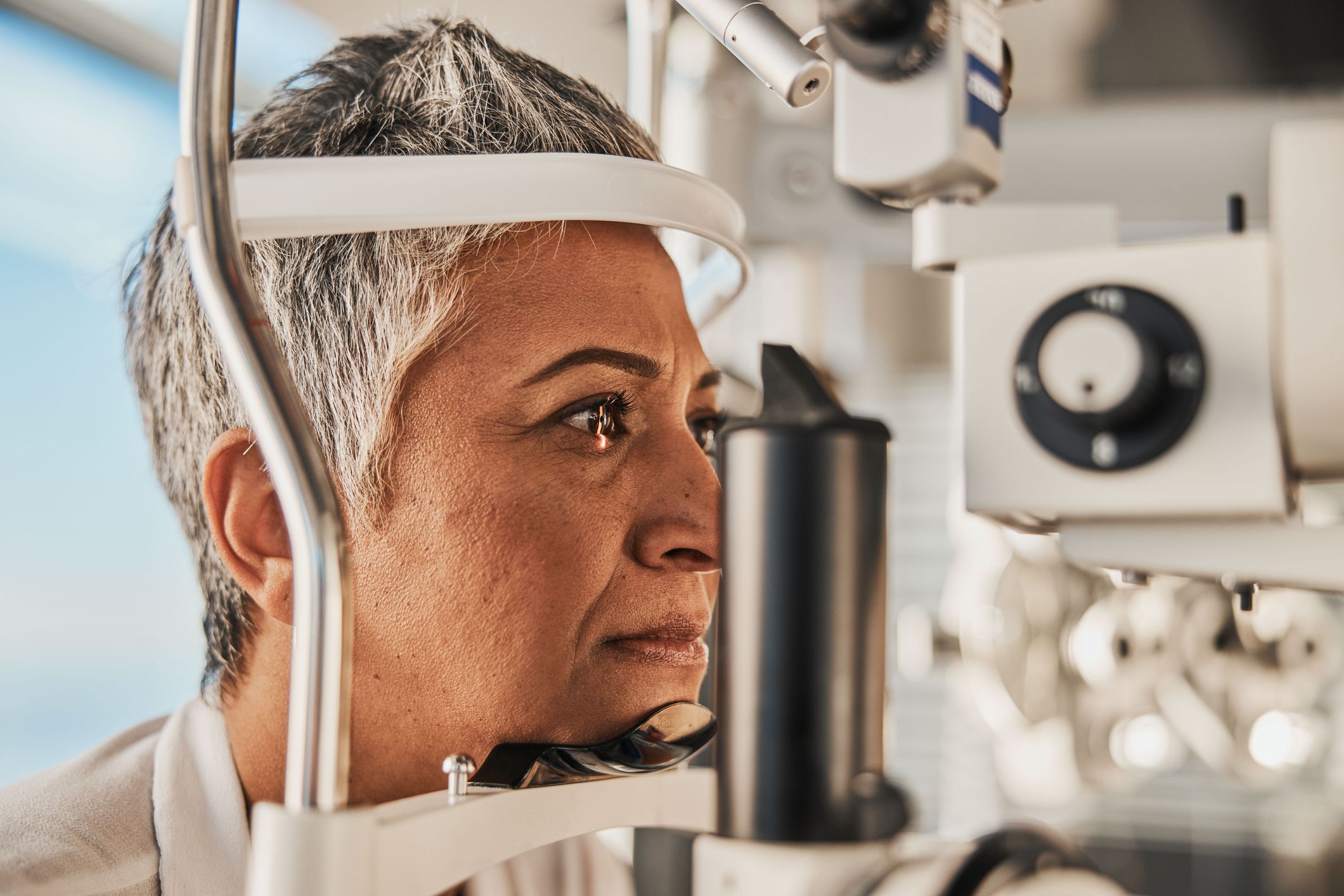
Navigating vision changes later in life doesn't have to break your bank. With over 90% of adults over 55 requiring vision correction, finding affordable prescription glasses is essential. By leveraging 2026 Medicare Advantage benefits and avoiding retail markups at warehouse clubs, you can cut costs by up to 70%. As a personal finance editor, I focus on the "why" and the "how" of every dollar spent. It is a sobering reality that one in three seniors reports forgoing the replacement of their prescription glasses due to concerns about the high cost of eyewear. This guide is designed to ensure you aren't part of that statistic.
1. Maximize Medicare Advantage Vision Benefits for 2026
The first move in any financial strategy is to know what is already paid for. Many people entering their 60s are surprised to learn that Original Medicare does not cover routine eye exams or basic frames. It usually only covers vision-related costs after cataract surgery. However, the landscape for Medicare Advantage vision benefits for seniors 2026 has shifted significantly.
In 2026, most Part C (Medicare Advantage) plans have expanded their supplemental benefits to include vision. These plans typically offer an eyewear allowance—often between $100 and $300—and cover your annual routine exam. While you manage these plans, keep in mind the $283 Part B deductible for 2026. To minimize your expenses, always check that your optician is among the in-network providers. Working outside the network can cause your out-of-pocket maximums to climb rather quickly, even with a good plan.
By leveraging these Medicare updates and senior benefits, you can effectively reduce the cost of a high-quality pair to near zero if you stay within your allowance. If your current plan doesn't offer vision, the open enrollment periods are your opportunity to switch to one that prioritizes your visual acuity.
2. Leverage Warehouse Clubs vs. Traditional Retailers
If you prefer an in-person fitting—which I highly recommend for anyone dealing with presbyopia or complicated prescriptions—warehouse clubs are your best friend. The price gap is staggering. Traditional independent opticians often have the highest costs, whereas warehouse clubs offer some of the most affordable prescription glasses on the market.
Consider this comparison of online vs retail glasses costs to see where your money goes:
| Provider Type | Typical Frame + Lens Cost | Key Advantage |
|---|---|---|
| Independent Optical Shops | $511+ | Personalized care and diverse styles |
| Traditional Retail Chains | $300 - $450 | Convenient mall locations |
| Warehouse Clubs (Costco/Sam's) | $110 - $180 | High-quality lenses at near-wholesale |
| Online Retailers (Zenni/Warby) | $15 - $150 | Lowest possible entry price |
Warehouse clubs often use the same high-end labs as luxury boutiques but skip the high-end retail markup. For seniors, the benefit of warehouse clubs is the in-person multifocal technology adjustment. Getting progressive lenses right requires precise measurements of where your eye sits in the frame, and having a professional do this can prevent the added expense of corrective replacements.
3. Reuse Your Existing Frames for New Prescriptions
We have all been there: you finally find a pair of frames that fit your face perfectly and match your style, but your prescription changes. Most retail shops will try to sell you an entirely new "bundle." Resist this. One of the best ways to get budget-friendly progressive lens options for seniors is to simply use your old frames.
How to reuse old frames for new prescriptions is a growing trend in the finance world known as "frame recycling." Services like Lensabl or even some independent opticians allow you to mail in your existing frames. They will strip the old lenses and fit new ones into your favorite pair. This strategy allows you to avoid the 300% retail markup typically found on brand-name frames. You are essentially paying only for the lens lab fees, which can slash your total bill by hundreds of dollars.
2026 Financial Alert: With the new Medicare Part D out-of-pocket cap of $2,100, many seniors are finding they have an extra $100–$200 per month previously spent on drug copays. Reallocating this "found money" into high-quality lens replacements is a smart move for your 2026 budget strategy.
4. Shop Online for Complicated Prescriptions
There was a time when shopping online meant you were limited to "reading glasses" or simple single-vision prescriptions. That time has passed. Some of the best affordable online glasses for complicated prescriptions can now be found with advanced tools that help you measure your pupillary distance (PD) using your smartphone camera.
When shopping online, look for retailers that offer high-index lens materials. As we age, prescriptions can become "thicker." High-index lenses are thinner and lighter, which is crucial for comfort if you wear your glasses all day. Sites like Zenni or Eyebuydirect provide these materials at a fraction of the cost of a brick-and-mortar store. If you have a high-power prescription, online retailers are often the only place to find affordable prescription glasses that don't look like "coke bottles" due to their aggressive pricing on high-index upgrades.
5. Select Budget-Friendly Progressive Lens Options
Presbyopia—the age-related loss of near-focusing ability—usually necessitates progressive lenses. These are the most expensive type of lenses because they contain multiple prescriptions in one. However, you don't need the most expensive brand-name digital progressives to see clearly.
To find budget-friendly progressive lens options, ask for "house brand" digital progressives. Many retailers have their own lab-produced multifocal technology that performs nearly identically to the big-name brands but at 40% less cost. When shopping online, look for "standard" vs "premium" progressives. For most household tasks and driving, the standard digital progressive is more than sufficient. Just ensure you have an accurate measurement for your pupillary distance to ensure the "corridor" of vision is aligned properly.
6. Consolidate Roles with Photochromic Lenses
Buying a pair of clear glasses and a separate pair of prescription sunglasses is a quick way to double your expenses. This is where saving money with photochromic lenses vs two pairs becomes a clear financial winner.
Photochromic lenses (often known by the brand name Transitions) darken when you step outside and clear up when you are indoors. While the coating adds a modest cost—usually $40 to $80—it eliminates the need to spend $200 to $400 on a second prescription sun pair. For a senior on a fixed income, this consolidation is a masterclass in efficiency. You only have one pair to keep track of, one pair to maintain, and one pair to pay for.
7. Use HSA/FSA Funds to Reduce Direct Costs
If you are still working or have a Health Savings Account (HSA) or Flexible Spending Account (FSA), you are sitting on a 20-30% discount. Vision care, including exams and prescription glasses, is almost always a qualifying expense for these tax-advantaged accounts.
Using HSA/FSA funds means you are paying with pre-tax dollars. If you are in a 24% tax bracket, using these funds is the equivalent of getting 24% off your glasses instantly. I always advise my readers to check their FSA balances in November. If you have "use it or lose it" funds remaining, your eyewear is the perfect place to invest those dollars before they vanish at the end of the year.
8. Prioritize Essential Coatings Over 'Gimmicks'
The optical industry is famous for the "upsell" at the checkout counter. Suddenly, a $100 pair of glasses becomes $300 because of "extra" coatings. To maintain a stable budget, you must distinguish between the essential and the optional.
Here is my checklist for managing lens add-ons:
- Anti-reflective coating: Essential. This is vital for night driving to reduce glare from oncoming headlights and improves visual acuity in dimly lit rooms.
- Scratch-resistant coating: Essential. For most seniors, glasses are a daily tool. This coating extends the life of your lenses, saving you money on replacements.
- UV Protection: Essential. If your lenses don't already come with it, this is a health requirement to prevent cataracts and macular degeneration.
- Blue-light filters: Optional. While popular, there is limited clinical proof that these reduce eye strain more than simply adjusting your screen brightness or taking breaks.
- Anti-fog coating: Optional. Unless you live in a very humid climate or wear a mask constantly, this is a luxury you can skip.
By focusing on these essential vs optional eyeglass coatings for night driving and durability, you ensure your money is spent on health and safety rather than marketing gimmicks.
FAQ
Where can I find the most affordable prescription glasses?
The most affordable options are typically found online through direct-to-consumer retailers like Zenni Optical, where basic pairs can start under $20. For those who prefer physical stores, warehouse clubs like Costco offer the best balance of low price and high-quality lens technology, often beating traditional retailers by hundreds of dollars.
How can I get prescription glasses without insurance?
If you are paying out-of-pocket, the best strategy is to take your written prescription from an exam and shop online or at a warehouse club. You can also look for optical-store discount plans or use tax-advantaged accounts like an HSA or FSA to reduce the effective cost. Additionally, reusing your current frames and only purchasing new lenses can significantly lower the price.
Are low-cost prescription glasses of good quality?
Yes, in many cases, low-cost glasses use the same materials (CR-39 plastic or polycarbonate) and the same labs as high-end brands. The price difference is often due to the brand name on the frame and the high overhead costs of retail stores rather than the quality of the vision correction itself.
Why is there such a big price difference in prescription eyewear?
The price gap is largely driven by retail markups and licensing fees. A few large companies control a vast majority of the world's frame brands and retail outlets, allowing them to keep prices high. Online retailers and warehouse clubs bypass these traditional distribution networks and pass the savings to consumers.
Can I get a full pair of prescription glasses for under $50?
Yes, it is entirely possible to get a complete pair—including frames and single-vision lenses—for under $50 by shopping at budget-focused online retailers. While progressive lenses or high-index materials will push the price higher, basic prescriptions are very affordable when you avoid designer brand names and traditional retail markups.
Final Word from Mason Lee
Financial stability after 50 is all about the "small" wins that add up over a decade. Eyewear is a recurring expense, and by applying these strategies, you can easily save $2,000 to $4,000 over the next twenty years. Take the time to review your 2026 Medicare Advantage vision benefits for seniors and don't be afraid to walk out of an expensive doctor's office with just your prescription in hand. You have the right to shop around for the best value. To your health and your wealth!