AI Stock Diversification: Beyond NVIDIA into ETFs
Quick Facts
- Risk Benchmark: By mid-2026, NVIDIA alone provided 12.2% of total U.S. market gains, creating significant concentration risk for individual investors.
- Core Recommendation: Investors should consider an asset allocation strategy that rotates 20-30% of concentrated chip gains into multi-layer thematic portfolios.
- Diversification Layer: Portfolio stability in 2026 requires looking beyond hardware into second-order plays like data center utilities and copper mining for grid modernization.
- Efficiency Metric: Focus on low-cost vehicles like FTEC or specialized entries like SMH and AIQ to manage exposure without excessive fees.
- Future Milestone: The shift from AI model training to the inference era in late 2026 marks a critical pivot point for portfolio rebalancing.
To achieve effective AI stock diversification from a concentrated NVIDIA position, investors should rebalance into multi-layer portfolios using ETFs like AIQ for software or SMH for broader semiconductor exposure. This maintains thematic upside while mitigating single-stock concentration risk through an asset allocation strategy that includes the physical backbone of AI.
The Concentration Dilemma: Managing Your NVIDIA Position
As AI stocks near 45% of the S&P 500 weight, AI stock diversification has moved from a suggestion to a necessity for risk management. Specifically, addressing your NVIDIA portfolio risk management requires a transition into broader AI thematic ETFs and AI infrastructure stocks to capture the next wave of the AI stack growth. We have reached a point where the market weight of companies linked to artificial intelligence in the S&P 500 rose from approximately 25% in late 2022 to nearly 45% by April 2026. For many, a single ticker has become the cornerstone of their retirement strategy, which introduces a unique set of challenges as the market matures.
Managing a massive position in a single winner requires us to look at the math of the recent bull run. For the U.S. Market Index's 85.6% total gain between May 2023 and May 2026, semiconductor stocks contributed 22.76 percentage points, with Nvidia alone accounting for 12.2 points. While the CUDA software moat remains formidable, the risks of circular capital—where AI companies buy from one another to show growth—and the natural semiconductor market cycles cannot be ignored. Relying on one manufacturer to sustain your wealth assumes that no competitor will gain an edge and that the macro environment will remain perfect for hardware spending.
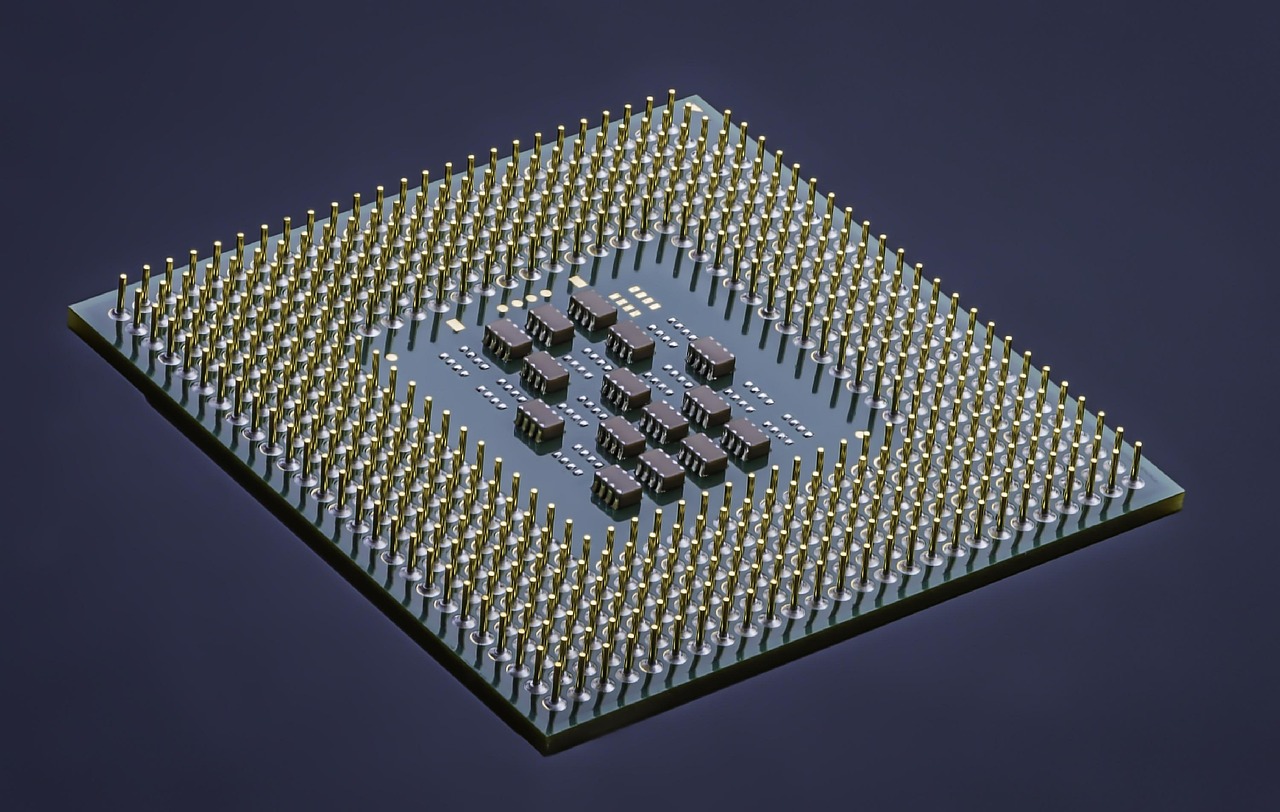
True portfolio rebalancing in this era involves harvesting gains from the primary winners and distributing them into the secondary and tertiary layers of the AI revolution. We call this moving from a single-pillar strategy to a multi-layer strategy. By doing so, you protect yourself against the volatility typical of market capitalization weighting where a few names dictate the direction of the entire index.
Broad Exposure: Comparing AI Thematic ETFs
When we look at how to diversify concentrated nvidia position into ai etfs, the priority is identifying which fund provides the "purest" exposure to your specific goals. Not all AI funds are built the same; some focus strictly on the silicon, while others look at the applications of the technology. For those wanting to maintain a heavy tech tilt while reducing single-stock concentration risk, comparing aiq vs aipo for ai infrastructure exposure or checking the baskets of SOXX and SMH is the standard first step.
The shift in 2026 is one from training—the process of creating AI models—to inference—the process of using those models in daily software. This means that software-as-a-service (SaaS) companies are becoming as vital as the chipmakers. Assessing ai exposure in robo and botz etfs can reveal different weights in industrial automation, whereas AIQ leans more toward the cloud and software layers.
| Ticker | Focus Area | AUM (Approx.) | Expense Ratio | Key Characteristics |
|---|---|---|---|---|
| SMH | Semiconductors | High | 0.35% | High concentration in top chip manufacturers |
| AIQ | AI & Technology | $8.61B | 0.68% | Diversified across software and hardware |
| BOTZ | Robotics & AI | $3.44B | 0.69% | Focuses on industrial automation and robotics |
| FTEC | Broad Technology | Very High | 0.08% | Market-cap weighted, lowest cost option |
Investors should also consider the role of competitors. While NVIDIA dominates, high-bandwidth memory providers and competitors like AMD with their MI300 and newer series are vital for a diversified hardware portfolio. By transitioning from individual ai stocks to multi-layer portfolios, you ensure that if the lead in the chip race changes, your holdings are still positioned to profit from the overall growth of the sector.
The Physical Backbone: Data Centers and Power Grids
The most overlooked aspect of AI stock diversification in 2026 is the physical requirement of the compute wave. As the demand for processing power scales, we are seeing a bottleneck not just in chips, but in the electricity and physical space required to house them. This has created what we call the "hidden trades" of the AI stack. Investing in ai data center infrastructure stocks beyond chips allows you to capture value from the tangible assets of the revolution.
Data centers now represent a significant portion of real estate investment trust (REIT) growth. However, the most pressing issue is power generation utilities. The massive electricity demand from hyperscale data centers has forced a focus on electrical grid modernization. We believe that a resilient portfolio should include exposure to companies that provide the cooling systems, power transformers, and raw materials necessary for this expansion.
Copper is a primary example of this "proxy" AI trade. Used extensively in electrical systems and data center construction, copper serves as a direct beneficiary of the compute build-out. Funds like COPX provide a way to hedge tech-heavy positions with industrial commodities. As we see more hyperscalers sign long-term deals with nuclear and renewable energy providers, the definition of an AI stock is expanding into the energy sector.
Selection Criteria: Choosing the Best AI Funds for 2026
Choosing the best ai thematic etfs for risk management in 2026 requires a technical checklist that goes beyond recent returns. As an investment editor, I focus on three main pillars: expense ratios, asset size, and underlying concentration. Low-cost funds like FTEC (0.084% expense ratio) are excellent for long-term holding, but they may lack the specific "purity" that a more expensive thematic fund offers.
As of May 2026, the Global X Artificial Intelligence and Technology ETF (AIQ) manages approximately $8.61 billion, while the Global X Robotics and Artificial Intelligence ETF (BOTZ) holds about $3.44 billion. These figures are important because they indicate secondary market liquidity—the ability to buy and sell shares without moving the price significantly.
- Expense Ratios: Weigh the cost against the active management or specialized indexing. A 0.70% fee is acceptable if the fund captures a niche (like power infrastructure) that a broad index excludes.
- Holding Concentration: Ensure the ETF isn't just another way to hold 20% NVIDIA. Review the top ten holdings to ensure you are actually achieving diversification.
- Exposure Type: Decide if you want "training" exposure (chips and hardware) or "inference" exposure (software and services).

The launch of the NVIDIA Rubin platform in the second half of 2026 is expected to be a major event. However, for the risk-aware investor, the goal is not to time these launches perfectly, but to ensure that the asset allocation strategy is robust enough to weather the inevitable volatility that comes with such high-growth periods. Aim for risk-adjusted returns rather than just chasing the fastest-growing ticker.
FAQ
Is a portfolio focused only on AI stocks considered diversified?
In my view, a portfolio concentrated strictly within one sector, even one as broad as AI, is not truly diversified. True diversification involves assets with low correlation to one another. While AI spans hardware, software, and utilities, these segments often move in tandem based on interest rate expectations and tech sentiment. A balanced portfolio should still include non-tech sectors to mitigate systemic risk.
What are the risks of over-investing in the AI sector?
The primary risks are high valuation multiples and the potential for a "消化不良" or digestion period where companies stop buying new hardware while they figure out how to monetize the software. If everyone is invested in the same five names, any negative news or earnings miss from one company can trigger a massive sell-off across the entire sector due to high market capitalization weighting.
Are AI ETFs a good way to achieve diversification?
Yes, they are an excellent middle ground. AI ETFs offer a way to remain invested in the theme while removing the risk of one specific company failing or losing its competitive edge. They allow you to capture the growth of the industry as a whole rather than betting on which specific chipmaker or software provider will win the race.
How can I find AI exposure in non-tech industries?
Look toward the infrastructure and resource layers. Energy utility companies that have signed power-purchase agreements with data center operators are one path. Another is through industrial companies that provide liquid cooling systems for servers or copper miners that provide the materials for electrical grid modernization.
Should I choose individual AI stocks or specialized AI funds?
For most long-term investors, specialized AI funds are the safer choice. They provide professional oversight and automatic rebalancing. Individual stocks are better suited for the "satellite" portion of your portfolio—where you take higher risks with smaller amounts of money—while the "core" remains in diversified funds.
The transition into the inference era in late 2026 is an ideal time to review your holdings. By moving away from a high-concentration NVIDIA position and into broader AI infrastructure stocks and thematic funds, you can protect your recent gains while staying perfectly positioned for the next phase of technological growth. Good strategy is not about exiting the trade early; it is about staying in the trade safely.