Quick Facts
- Best Overall Alternative: Langley FCU Signature Visa ($2,000 monthly spending limit).
- Best for Rotating Rewards: Chase Freedom Flex® (diverse 5% quarterly categories).
- Highest Grocery Yield: American Express Blue Cash Preferred (6% at U.S. supermarkets).
- Best for Commuters: Sam’s Club Mastercard (5% back on gas).
- Savings Potential: Average households can save up to $500 annually through strategic category optimization.
- Market Insight: Rewards-based cards now account for over 92% of all credit card spending.
The best 5 percent cashback cards for 2026 are led by the Langley FCU Signature Visa and the Chase Freedom Flex®, which offer high yields on essential categories like groceries and gas without the restrictive $500 monthly caps of traditional 5 percent cashback cards. By utilizing these alternatives to Citi Custom Cash, consumers can maximize their returns on higher spending volumes across multiple daily merchant categories.
The Shift in 2026: Why Look for Alternatives to Citi Custom Cash?
The credit card landscape has evolved significantly. While the Citi Custom Cash remains a popular entry-point for a high-yield single category, sophisticated spenders are hitting its $500 monthly cap far too quickly. In 2026, the demand for high monthly limits has pushed consumers toward secondary issuers and credit unions that offer more breathing room. According to the Consumer Financial Protection Bureau, Americans earned approximately $47 billion in credit card rewards in 2024, signaling that the competition for consumer wallet share has never been localized to just the big four banks.
When we look at the market through a lens of Friction Analysis, the "big bank" products often come with rigid structures. Smaller issuers are now bridging the gap, offering high cash back grocery cards with high monthly limits that accommodate growing family budgets. Choosing the right card is no longer just about the percentage; it is about the Merchant Category Codes and how they align with your actual lifestyle.

As we evaluate the best credit cards to replace citi custom cash, we must consider the annual fee assessment. A card that charges a fee but allows for $6,000 in annual spending at 6% will often outperform a no-fee card capped at a lower threshold.
Top Picks for High Cash Back Grocery and Gas Cards
For most households, the two largest variable expenses are food and fuel. Optimizing these categories is the fastest way to see a return on your spending. A Bank of America survey found that 70% of cardholders rank cash back as their most valued credit card reward, and current market trends suggest that high cash back grocery and gas cards are the primary drivers of this preference.
One of the strongest contenders in this space is the Langley FCU Signature Visa. Unlike many national bank products, this card offers 5% cash back on a selectable monthly category. The standout feature is the $2,000 monthly spending limit, which is four times higher than what you find on many competing 5 percent cashback cards. This makes it an ideal tool for users who find themselves spending heavily on Amazon, groceries, or home improvement during specific times of the year.
If you are an everyday commuter, the Sam’s Club Mastercard is a powerhouse for fuel, offering 5% back on gas for members on up to $6,000 in annual spending. If you prefer a more diverse ecosystem, the American Express Blue Cash Preferred remains the gold standard for supermarket spending with its 6% rate, though it does carry an annual fee after the first year.
| Card Name | Primary 5-6% Category | Spending Cap | Annual Fee |
|---|---|---|---|
| Langley FCU Signature Visa | Selectable (Monthly) | $2,000 per month | $0 |
| Amex Blue Cash Preferred | U.S. Supermarkets | $6,000 per year | $95 (often waived Year 1) |
| Sam's Club Mastercard | Gas / EV Charging | $6,000 per year | $0 (Membership req.) |
| U.S. Bank Altitude Go | Dining (4%) | Unlimited | $0 |
Many these cards also include a competitive sign-up bonus SUB, which can provide an immediate cash infusion to your rewards balance. When you factor in the 3% back on gas and EV charging offered by the Langley card as a secondary tier, it becomes a versatile foundation for any wallet.
Best Cards for 5% Rotating Categories: Stability vs. High Yield
If you don't mind a bit of manual effort, the best cards for 5% rotating categories offer a pathway to high yields across a wide variety of spending. The Chase Freedom Flex® and the Discover it® Cash Back have dominated this space for a reason. Every quarter, these cards offer 5% back on up to $1,500 in spending across categories that change throughout the year—ranging from wholesale clubs and gas stations to restaurants and digital wallets.
The trick to these cards is the activation requirement. You must manually opt-in each quarter to earn the high rate. While this adds a layer of friction, the potential annual yield is significant. For instance, Discover often provides a cashback matching feature for the first year, essentially turning those 5% categories into 10% returns.

For those looking for more specialized top 5 percent cash back credit union cards for 2026, the U.S. Bank Cash+ is another worthy mention. It allows you to pick two categories (like utilities or department stores) for 5% back on up to $2,000 in combined quarterly purchases. Knowing how to maximize rotating 5 percent category rewards involves aligning your big-ticket purchases—like holiday shopping or home repairs—with the quarterly cycles of these cards.
Strategy: Building a Multi-Card 5 Percent Cashback Setup
The ultimate goal for any rewards enthusiast is to never earn just 1% on a purchase. Building a multi card 5 percent cashback setup requires a strategy I call credit card laddering. By assigning specific cards to specific tasks, you can ensure that every dollar spent earns the highest possible yield.
For example, a high-yield setup might look like this:
- Card A (Langley FCU): Used exclusively for the months when the 5% category matches your highest spend, like home improvement or Amazon.
- Card B (Chase Freedom Flex): Used for the 5% rotating quarterly categories.
- Card C (Amex Blue Cash Preferred): Used strictly for the 6% supermarket benefit.
- Card D (2% Flat-Rate Card): Used as a "catch-all" for any spending that doesn't fall into a 5% tier.
Financial analysis indicates that the average household can save up to $500 annually by optimizing credit cards that offer 3% to 6% cash back on everyday routine purchases such as groceries and gas. Setting up automated statement credit redemptions or direct deposits into a high-yield savings account further compounds these gains.
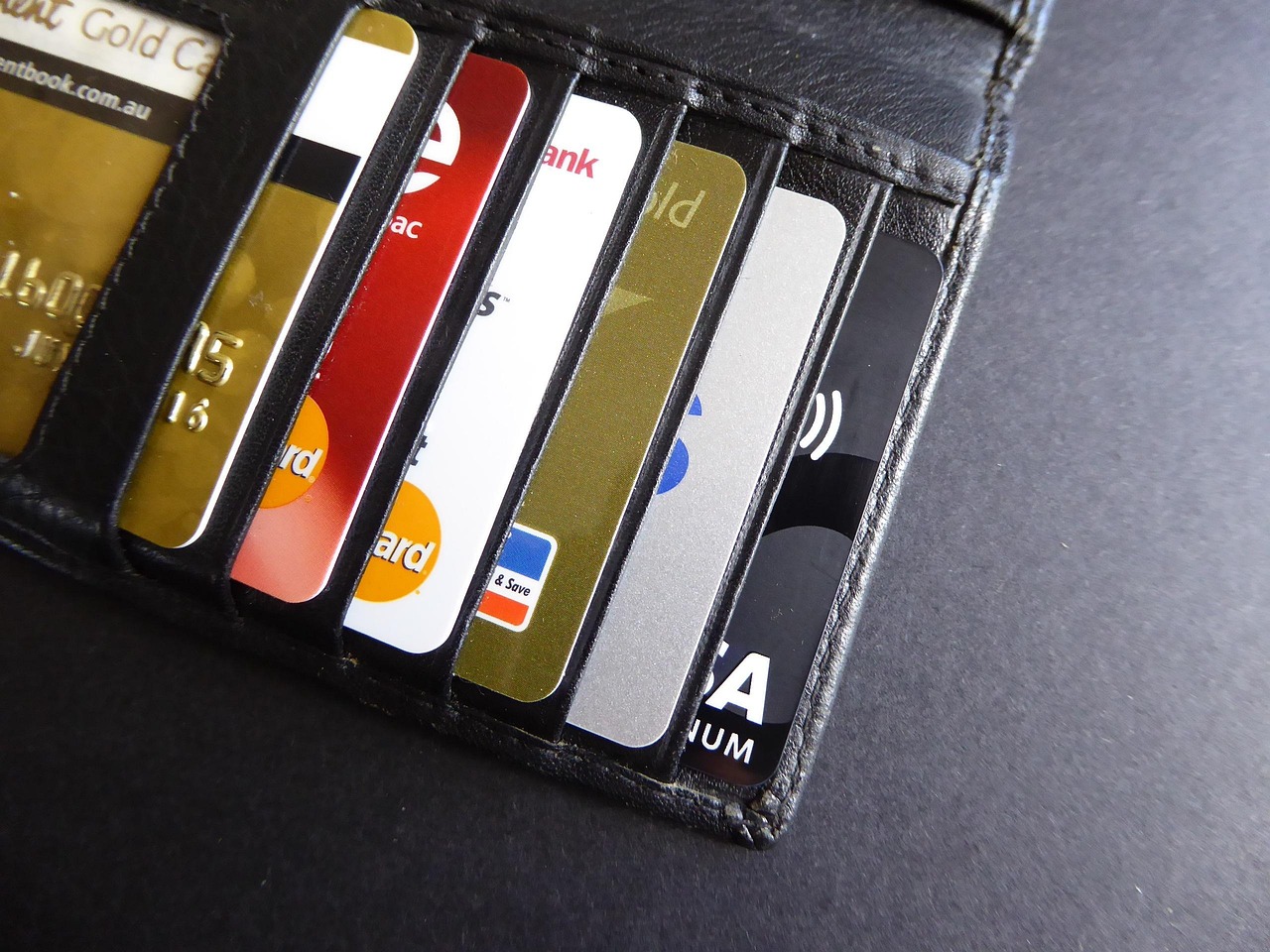
When constructing your wallet, keep an eye on your credit union membership requirements. Some of the highest-yielding 5 percent cashback cards come from institutions like Langley or Navy Federal, which may requires a small donation to a specific non-profit or a community link to join. However, the tiered reward structures and lack of annual fees often make this small step well worth the effort.
FAQ
Which credit cards offer 5 percent cashback on rotating categories?
The most prominent cards in 2026 for rotating 5% categories are the Discover it® Cash Back and the Chase Freedom Flex®. Additionally, the U.S. Bank Cash+ Visa Signature Card offers a similar structure where you can choose your categories each quarter, and the Citi Dividend (though less common for new applicants) historically follows this model.
How do 5 percent cashback cards work?
Typically, these cards work by applying a higher rebate percentage to specific Merchant Category Codes. When you use your card at a business identified as a grocery store or gas station by the payment network, you earn 5% back. Most of these cards have a cap on how much you can spend at that high rate before the rewards drop back down to a standard 1% rate.
Is there a limit on how much 5 percent cashback I can earn?
Yes, nearly all 5 percent cashback cards have spending limits. For instance, the Chase Freedom Flex limits you to $1,500 per quarter in the 5% category. The Langley FCU Signature Visa is unique because it offers a much higher $2,000 monthly limit on its 5% category. Once you exceed these caps, your earnings usually revert to 1%.
Is 5 percent cashback better than 2 percent back on everything?
It depends on your spending volume. For focused categories like groceries where you spend a significant amount, a 5% card is much better. However, a 2% flat-rate card is a better "catch-all" for miscellaneous expenses like insurance, repairs, or services that don't fit into the 5% categories. Most experts recommend using both in tandem.
What credit score is needed for a 5 percent cashback card?
Most high-yield 5 percent cashback cards are considered premium products and usually require a good to excellent credit score, typically 670 or higher. Some credit union cards might be slightly more flexible if you have an existing banking relationship with them, but a stable credit history is generally required for approval.