Navigating the traditional financial system can feel like an uphill battle if you do not have a standard checking or savings account. Whether you are part of the millions of Americans who are currently unbanked or simply prefer the flexibility of digital wallets, getting physical cash from a paper check shouldn't cost a fortune.
The financial landscape is shifting. While predatory storefronts used to be the only option for those outside the banking system, today’s fintech innovations and retail partnerships offer much more affordable pathways. As an editor focusing on payment infrastructure, I’ve analyzed several methods to help you keep more of your hard-earned money.
Quick Facts
- Top Choice: The issuing financial institution (fees range from $0 to $8).
- Best Retailer: Walmart, offering a maximum flat fee of $4 for checks under $1,000.
- Best for Apps: Cash App or Chime for remote deposit capture.
- Required ID: A valid government-issued photo ID is mandatory at all physical locations.
- Processing Speed: Ranges from immediate fund accessibility (for a fee) to 3 business days.
- Statistic: According to the 2023 FDIC National Survey, approximately 4.2% of U.S. households, representing about 5.6 million homes, are unbanked and rely on alternative financial services.
To cash check without bank, you should first try the issuing bank listed on the check for the lowest fees, or visit a high-volume retailer like Walmart for a transparent flat-rate cost. Alternatively, modern mobile check cashing apps with no bank account required allow you to deposit funds directly into a digital wallet or onto a prepaid card.
Option 1: The Issuing Bank (The Non-Customer Strategy)
The most efficient way to cash a check without a bank account is often to go straight to the source. The bank name printed on the front of your check is the issuing financial institution. Because they already have the funds on deposit, they can verify the check's validity instantly, which reduces their risk and often leads to lower fees for you.
Many major banks have specific policies for cashing a check at the issuing bank as a non-customer. For example, Citibank is known for a traveler-friendly policy, often charging a $0 fee for non-customers on checks under $5,000, provided the check is drawn on a Citi account. Other major players like Wells Fargo and Bank of America typically charge a flat fee ranging from $7.50 to $8.00 per transaction.
When you walk into a branch, tell the teller you would like to cash a check drawn on their bank. They will verify that the account has sufficient funds and check your identification. While this is one of the cheapest ways to cash a check without a bank account, keep in mind that banks are not legally required to cash checks for non-customers and may decline to do so if the check is for a very large amount or if their specific branch policy has changed. This method is particularly effective for payroll and government checks, which banks view as lower risk.
Option 2: Retailers and Supermarkets
If you can’t get to the issuing bank, national retailers and grocery store chains are your next best bet. These locations leverage their high foot traffic to offer financial services at competitive, flat-rate prices. This is a much better alternative to the percentage-based fees charged by specialized storefronts, which can eat into your paycheck significantly.
Walmart is the industry leader in this space. They provide a clear alternative to high-fee storefronts by charging a maximum flat fee of $4 for pre-printed checks up to $1,000 and $8 for checks over $1,000 up to $5,000. During tax season, they often increase this limit to $7,500 to accommodate larger refund checks.
Other grocery stores that cash personal checks without a bank account include Kroger, Safeway, and Publix. However, their policies on "personal" checks (those written by an individual) are much stricter than their policies for "pre-printed" checks (like payroll or government checks).
Check Cashing Fees Comparison
| Retailer | Max Check Amount | Typical Fee | Supported Check Types |
|---|---|---|---|
| Walmart | $5,000 ($7,500 seasonal) | $4 (up to $1k) / $8 (over $1k) | Payroll, Gov, Tax, Stimulus |
| Kroger | Up to $5,000 | $3 - $5.50 (varies by store) | Payroll, Gov, Corporate, Tax |
| Publix | Varies by location | $3 - $6 | Payroll and Gov only |
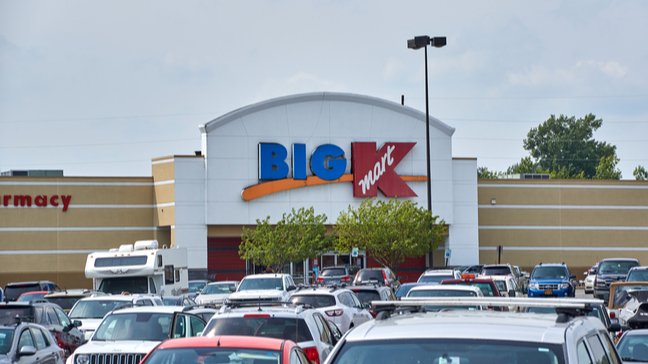
| Kmart | $2,000 | $1 (in some states) | Payroll, Gov, Tax |
| Safeway | $1,500 | Varies by state | Payroll and Gov checks |
State-Specific Fee Caps: Your location matters. Some states have laws protecting the underbanked population from excessive fees. For example, New York caps check-cashing fees at approximately 2.2% (adjusted annually), while Illinois caps them at 1.4% plus a $1.00 base fee for certain types of checks. Always check the posted posters at the supermarket service desks for local compliance details.
Option 3: Mobile Check Cashing Apps
For those who prioritize convenience over physical cash, the rise of fintech has introduced powerful tools called mobile check cashing apps with no bank account required. These apps use remote deposit capture technology, allowing you to take a photo of your check and have the funds added to a digital wallet or a branded prepaid debit card.
Using Cash App to deposit checks without linked bank account has become an increasingly popular method. Once you are verified in the app, you can use the "Deposit a Check" feature. This is ideal for government or payroll checks. Similar services like Netspend and Chime offer a seamless way to bypass the bank branch entirely.
The trade-off for this convenience is often time or a small fee for immediate fund accessibility. Standard processing usually takes one to three business days and is often free. However, if you need the money right now, many of these apps partner with services like Ingo Money, which may charge a fee (typically 2% to 5%) to clear the check in minutes.
When using these apps, the process is straightforward:
- Endorse the back of the check.
- Write "For Mobile Deposit Only" (or the specific phrase required by the app) under your signature.
- Take clear photos of the front and back.
- Keep the physical check in a safe place for 14 days until the deposit is fully cleared and confirmed.
This method serves the unbanked population well by providing a secure digital place to store money without the monthly maintenance fees often associated with traditional accounts.
What You Must Have: Documentation Checklist
Regardless of where you go, you cannot cash a check without proving who you are. The transaction fee structures and security protocols at these institutions are strict to prevent fraud, which is why having the right identification is non-negotiable.
To ensure a smooth experience, bring at least one primary form of Government-issued ID:
- Primary ID: State-issued Driver’s License, State ID card, or a U.S. Passport.
- Secondary/Alternative IDs: Some retailers and banks may accept Resident Alien ID (Green Card), Military ID, or Tribal ID.
- Check Validity: Ensure the check is not "stale-dated." Most institutions will not accept a check that was issued more than six months (180 days) ago.
Additionally, be aware of the rules regarding a two-party check endorsement. If a check is made out to two people (e.g., "John Doe AND Jane Doe"), both individuals must typically be present with their IDs to cash the check. If it says "OR," usually only one person needs to be present. Identifying these requirements beforehand prevents the frustration of being turned away at the counter.
Danger Zone: Avoiding Predatory Check-Cashing Stores
While specialized storefront check-cashing businesses are on almost every corner in some neighborhoods, they should be your absolute last resort. These establishments often target underbanked consumers with a confusing array of fees that can total 10% or more of the check's value.
For someone earning $3,000 a month, a 10% fee means losing $300 just to access their own money. Over a year, that is $3,600—a massive "poverty tax" that could otherwise go toward savings or essentials. These storefronts often lack the transparency found at national retailers like Walmart or Kroger.
If you find yourself constantly using these high-fee stores, consider looking into a "second-chance" bank account. These are designed for people who have had trouble with banking in the past and offer a path back into the traditional financial system without the predatory transaction fee structures of storefront cashers.
FAQ
Where can I cash a check if I don't have a bank account?
You can cash a check at the bank that issued it, major retailers like Walmart, grocery stores such as Kroger or Safeway, and through mobile apps like Cash App or Chime. Specialized check-cashing stores are also an option but charge much higher fees.
Can I cash a check at the bank it was issued from without an account?
Yes, most banks will cash a check drawn on their own accounts for non-customers. However, they typically charge a fee, which can range from $0 to $10, and you will be required to provide a valid government-issued photo ID.
How much are the fees to cash a check without a bank?
Fees vary significantly by location. The issuing bank may charge $8, while retailers like Walmart charge a flat fee of $4 for checks up to $1,000. Mobile apps often offer free standard processing or a percentage-based fee for instant access. Storefront check cashers typically charge the highest fees, often based on a percentage of the check's total.
What identification is required to cash a check without a bank account?
You must have a valid government-issued photo ID. The most commonly accepted forms are a driver's license, state ID, or passport. Some locations may also accept military IDs or green cards, but it is best to call ahead and verify.
How can I cash a check online or with an app without a bank account?
You can use fintech apps like Cash App, Chime, or Netspend. These apps allow you to use your phone's camera to take a picture of the check and deposit the funds directly into your digital wallet or onto a prepaid debit card.
Can a payroll check be cashed without a bank account?
Yes, payroll checks are among the easiest checks to cash because they are considered low-risk. Most retailers, grocery stores, and issuing banks will cash them as long as you have proper identification.