Quick Facts
- The ROI Gap: Gift recipients typically value surprise presents at 10% to 30% less than the price paid by the giver.
- The Utility Lock: Prioritizing functional items over flashy surprises increases long-term satisfaction and reduces financial waste.
- Registry Success: Psychological studies show recipients express significantly higher appreciation for items they explicitly requested.
- Star Power: To ensure quality without overpaying, look for products rated between 4.2 and 4.5 stars to avoid the skepticism of a perfect 5-star rating.
- The Overspend Trap: Consumers using gift cards are 2.5 times more likely to pay full price and spend nearly $60 more than the card’s value.
- Relational Bonds: Experiential gifts often provide more lasting emotional resonance and relational value than physical goods.
Exploring the gift giving psychology of the modern consumer reveals a significant disconnect between what we think people want and what actually brings them joy. Behavioral science research suggests that gift givers often fall victim to the smile-seeking hypothesis, focusing on the immediate emotional reaction of the recipient rather than long-term utility. To avoid this, we should prioritize practical items that the recipient will use frequently. Using these behavioral science secrets for holiday shopping on a budget ensures that your money is invested in items that provide lasting satisfaction rather than a fleeting moment of excitement.
1. Defeating the 'Smile-Seeking' Trap
Every year, we see billions spent on holiday gifts, yet return rates often spike significantly during the winter months. Much of this financial inefficiency stems from a cognitive bias known as the smile-seeking hypothesis. As givers, we are biologically wired to crave that instant hit of dopamine when we see someone's eyes light up as they unwrap a surprise. This desire for a "wow" moment often leads us to choose gifts that are high in desirability but low in feasibility.
Think of the difference between a high-end, designer espresso machine that requires a complex cleaning ritual and a high-quality, durable insulated travel mug. The machine might get the bigger smile at the party, but the mug will be used every single morning for years. Behavioral economics teaches us that recipients value gifts more when they are easy to use and solve a daily problem. To save money and increase happiness, we must ignore the urge to buy the most dramatic item on the shelf and instead focus on what makes the recipient's life easier. Choosing practical gifts to save money and increase satisfaction is a strategy that honors the recipient's life after the wrapping paper is gone.

We often fall into the trap of thinking that the more "thought" we put into a unique surprise, the more it will be appreciated. However, there is a dangerous gap here. Givers tend to look at gifts through the lens of social signaling, trying to show how well they know the other person. Recipients, on the other hand, look at the functional utility of the gift. Understanding the dangers of the smile seeking hypothesis in gifting allows us to step back and realize that a common, useful item is often far superior to a unique but useless one.
2. The Efficiency of the Request: Why Registries Rule
One of the most persistent myths in gifting is that a surprise is more meaningful than a request. We often feel that if we just buy what is on a gift registry, we aren't being creative or thoughtful. However, academic research from institutions like Stanford and Harvard tells a different story. Recipients consistently rate items they specifically asked for as more thoughtful and better-suited to their needs than unsolicited surprises.
This phenomenon is tied to psychological distance. As givers, we think about the recipient in an abstract way, leading us to buy items that represent their personality. Recipients, however, think concretely about what they currently lack or need. When we follow a wish list, we bridge this gap perfectly. This approach eliminates the deadweight loss that occurs when we spend $100 on something the recipient only values at $70. By following the list, we ensure 100% of our budget is converted into actual value for the receiver.
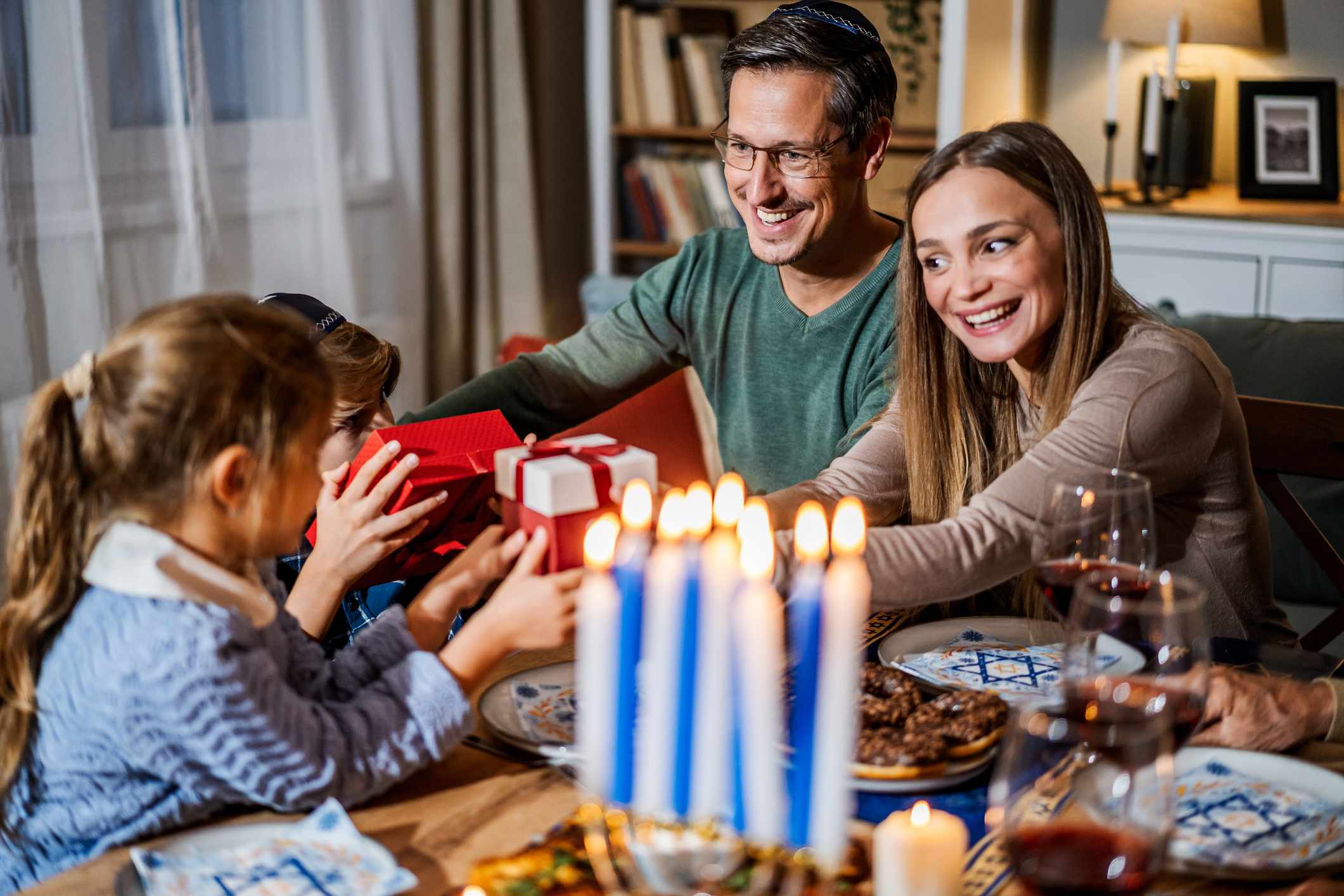
There are deep psychological reasons to prefer registry gifts over surprises that every budget-conscious person should consider. Using a registry or a wish list is the ultimate form of behavioral economics of gifting. It ensures that the consumption duration—the amount of time the recipient actually uses the item—is maximized. If you want to know how to choose better gifts, the simplest answer is to just ask, and then actually listen to the answer.
Authority Sidebar: The Price of Surprises Research in behavioral economics shows that gift recipients typically value surprise presents at 10% to 30% less than the price paid by the giver, creating what economists call a deadweight loss. This means if you spend $100 on a surprise, the receiver may only feel $70 worth of value. Source: bps.org.uk
3. Rethinking Versatility: The Strategic Gift Card
Gift cards are often dismissed as "lazy" or "impersonal." In an attempt to show intimacy, givers often choose hyper-personalized gift cards for niche boutiques or specific restaurants. While the intention is good, this actually creates a restrictive choice architecture for the recipient. If the recipient doesn't live near that store or doesn't like the current inventory, the gift card sits in a drawer, becoming a 100% financial loss for you and providing zero value to them.
The value of versatile gift cards in behavioral economics cannot be overstated. A more flexible card, such as one for a major online retailer or a general-purpose debit card, allows the recipient to choose exactly what they need at the moment they need it. This flexibility is highly valued because it empowers the recipient. However, we must be careful with our own spending habits here. Research notes that shoppers using gift cards are 2.5 times more likely to pay full price for an item and often overspend beyond the card's value.

When providing practical gift giving advice, we suggest pairing a versatile gift card with a small, handwritten note. This provides the emotional connection we desire while leaving the financial utility intact. By giving a flexible option, you are providing the recipient with the gift of choice, which studies show is often preferred over a specific, physical item that may not fit their current lifestyle.
| Giver's Focus (Short-Term) | Recipient's Focus (Long-Term) | Recommended Action |
|---|---|---|
| Sentimentality: Choosing a unique item to show intimacy. | Utility: Will I actually use this every week? | Prioritize functional items. |
| The Unwrapping: Looking for the "wow" factor or big reaction. | Ease of Use: Is this difficult to set up or maintain? | Focus on feasibility and simplicity. |
| Specificity: Narrowly tailored gift cards to signal "I know you." | Versatility: Can I use this card on something I really need? | Opt for flexible, multi-purpose cards. |
| Price Tag: Believing a higher price means more love. | Value: Is this worth the space it takes up in my home? | Trust that utility beats cost. |
4. Experiences vs. Tangible Objects: The Duration Effect
When considering how to choose the most useful gift for a friend, we should reflect on the difference between material goods and experiences. Behavioral science has long suggested that experiences—like a dinner out, a cooking class, or a museum pass—tend to produce more lasting happiness than physical objects. This is due to the phenomenon of hedonic adaptation; we quickly get used to secondary objects in our environment, but memories of experiences actually get better over time as we re-tell the stories.
However, from a personal finance perspective, we need to look at consumption duration. If a friend needs a new high-quality kitchen knife that they will use every single day for ten years, that physical object might actually provide more "relational bonding" than a single dinner. Every time they use that knife, they think of the giver. The key is to determine what the recipient values more: a shared memory or a tool that reduces daily friction.

If you are on a tight budget, experiences don't have to be expensive. A "coupon" for a homemade dinner or a dedicated day of hiking together can be more valuable than a $50 trinket from a big-box store. These gifts focus on the relationship rather than the transaction, bypassing the typical gift giving psychology traps that lead to overspending on material items that eventually end up in a landfill.
5. Using Social Proof as a Financial Parachute
In the age of online shopping, we often use reviews to guide our purchases. But there is a psychological sweet spot when looking at social proof. We often feel compelled to buy the item with a "perfect" 5-star rating, thinking it’s the safest bet for a gift. Yet, behavioral studies show that consumer trust actually peaks when a product has a rating between 4.2 and 4.5 stars.
A perfect 5-star rating often triggers subconscious skepticism—we assume the reviews might be fake or that the sample size is too small. By aiming for that 4.2 to 4.5 star range, you are more likely to find a product that is high-quality but realistic, reducing the risk of a technical mismatch or a "deadweight loss" purchase. This is a vital part of the behavioral economics of gifting because it uses collective intelligence to protect your wallet.
Using social proof as a financial parachute allows us to mitigate risk. Before clicking "buy," look at the negative reviews. Are the complaints about the product quality, or just delayed shipping? By analyzing the feasibility of the product through the eyes of other owners, we can be certain that our hard-earned money is being spent on something that won't break or disappoint shortly after it's received.
Smart Shopper Checklist
- [ ] Have I asked the recipient for a wish list or specific needs?
- [ ] Am I choosing this for the "wow" moment or for long-term use?
- [ ] Is this item feasible for the recipient's daily life and space?
- [ ] If I'm buying a gift card, is it flexible enough for their needs?
- [ ] Does the item have a realistic 4.2–4.5 star social proof rating?
- [ ] Am I falling for the 10-30% deadweight loss mistake of a surprise?
FAQ
What is the psychology behind gift giving?
The gift giving psychology is largely driven by a desire for social signaling and relational bonding. Givers often use gifts to demonstrate their status or their level of intimacy with the recipient. However, this often leads to a giver-recipient discrepancy where the giver prioritizes the emotional impact of the exchange, while the recipient prioritizes the practical value of the item in their daily life.
Does the cost of a gift matter to the recipient?
Research in behavioral economics shows that the price of a gift is rarely correlated with the recipient’s level of appreciation. While givers often believe that a more expensive gift signals more love or effort, recipients are far more concerned with how well the gift fits their needs or how much use they will get out of it. A $20 item that is highly useful is often more valued than a $100 "luxury" item that has no practical application.
What makes a gift feel meaningful or personal?
A gift feels meaningful when it demonstrates that the giver understands the recipient's concrete daily needs or deeply held preferences. Interestingly, following a recipient’s explicit request on a wish list is often viewed as more personal and thoughtful than choosing a surprise. It shows that the giver respects the recipient’s autonomy and wants to ensure their gift is actually desired and used.
Is it better to give experiences or physical objects?
The answer depends on the recipient's current needs and the goal of the gift. Experiences are generally better for building long-term memories and strengthening relational bonds. However, high-utility physical objects can be superior if they fulfill a persistent need, as they serve as a frequent positive reminder of the giver over a long period. The best approach is to consider which option provides the highest long-term utility for that specific person.
What is the rule of reciprocity in gift giving?
The rule of reciprocity is a social norm where people feel an obligation to return a favor or a gift of similar value. In gifting, this can sometimes lead to "gift inflation" or financial stress as both parties try to out-spend each other. To maintain stable financial habits, it is often helpful to have open conversations about spending limits or to focus on practical, low-cost items that provide high value without triggering an expensive cycle of reciprocal spending.