Quick Facts
- Market Update: Multiple petrol and diesel price hikes throughout May and June 2026 have ended a long period of pump price stability across the country.
- Delhi Price: Petrol prices in Delhi reached ₹102.12 per litre as of early June 2026.
- Mumbai Price: Rates in Mumbai rose to ₹111.21 per litre during the same period, reflecting higher local taxes.
- Primary Driver: Brent crude benchmark figures exceeding $100 per barrel combined with the expiration of discounted Russian oil imports.
- Retailer Status: State-run Oil Marketing Companies are adjusting rates to recover from massive under-recoveries and maintain sustainable marketing margins.
- Budget Impact: Commuters are seeing an average 5.4% increase in monthly logistics and transport-related expenses.
India fuel hike awareness is essential as petrol and diesel price rise India trends continue into mid-2026. Petrol in Delhi has hit ₹102.12 per litre, driven by global volatility and the end of price freezes by oil firms. This guide helps with India transport budget planning to navigate these rising costs and protect your long-term financial health.
The Reality of the 2026 India Fuel Hike
The latest India fuel hike in 2026 is a significant shift for a market that enjoyed nearly two years of relative retail price stability. State-run oil marketing companies like BPCL and Indian Oil have implemented multiple revisions to align with market-linked pricing strategies. This move comes as these firms seek to recover from significant under-recoveries accumulated while global Brent crude benchmark rates surged past the $100 per barrel mark. By adjusting these rates, retailers are attempting to restore their healthy marketing margins, which had been squeezed by the high cost of raw crude imports.
As a financial editor, I see this not just as a news event, but as a trigger for a total recalibration of your household spending. When petrol prices in Delhi reach ₹102.12 per litre and Mumbai sees figures hit ₹111.21 per litre, the ripple effect on your wallet is immediate. It is no longer just about the cost of a full tank; it is about the structural increase in the cost of living that follows.
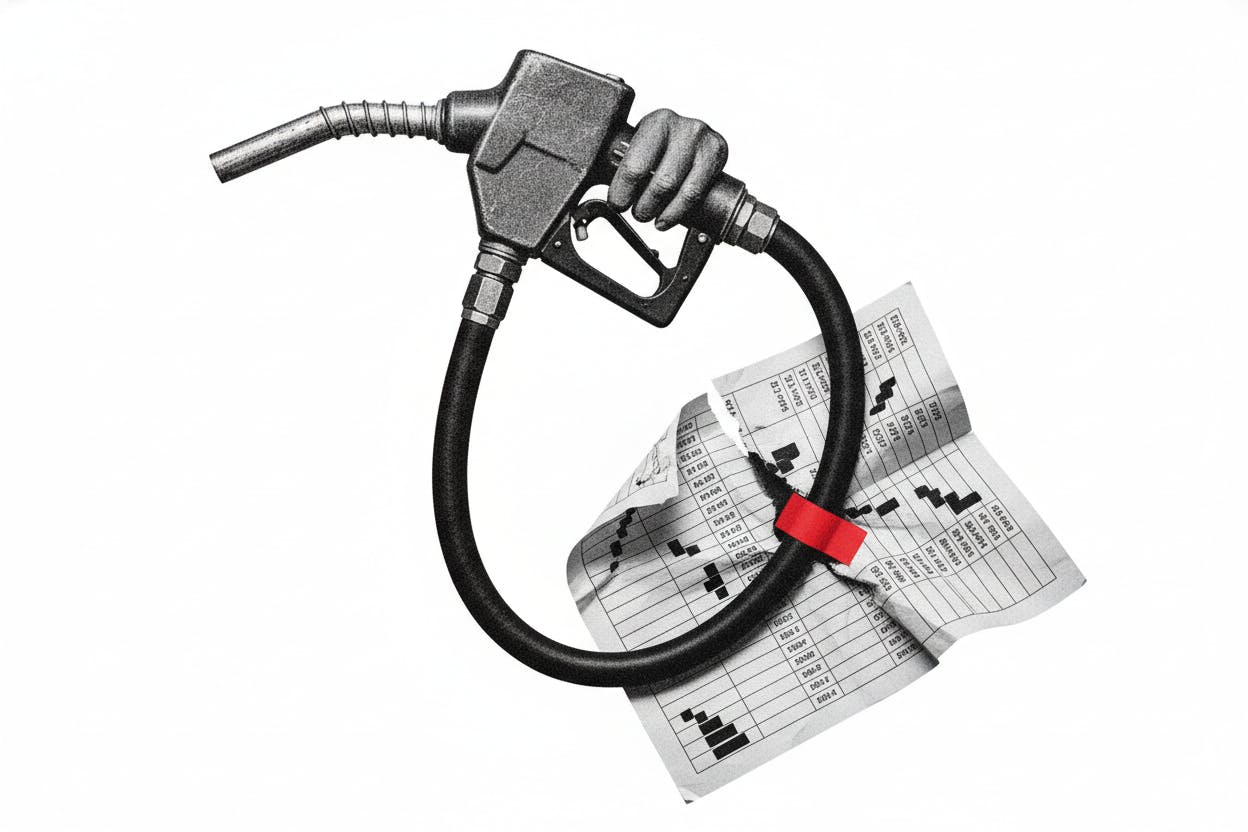
The adjustment of over seven rupees per liter in a single month suggests a more aggressive approach to market-linked pricing than we have seen in previous cycles. For our budgets, this means we must move away from "wait and see" mode and into active planning. The days of absorbing five or ten percent increases without changing our habits are likely over for this fiscal year.
Global Drivers: From Brent Crude to Geopolitical Volatility
To understand why your local petrol pump is more expensive, we have to look at the geographical choke points of the global economy. Current geopolitical volatility in the Middle East, specifically around the Strait of Hormuz—through which one-fifth of the world’s oil trade passes—has created a premium on every barrel of oil. Furthermore, the expiration of waivers that previously allowed India to purchase discounted Russian oil has forced our refiners back into the expensive global market.
India remains a nation with a heavy import dependency, sourcing roughly 85% of its crude oil requirements from abroad. When supply chain disruptions occur at the global level, whether through conflict or policy shifts, the impact on Indian retail prices is direct. Unlike some neighboring economies where fuel prices have surged by nearly 20% in a single quarter, India’s state retailers initially tried to absorb these costs. However, with daily losses for oil marketing companies reportedly hitting the ₹1,000 crore mark earlier this year, the price bridge had to break eventually.
The fuel price outlook India faces is currently tied to these non-negotiable global factors. If the Brent crude benchmark stays above $100, we should expect market-linked pricing to remain the standard, with fewer government subsidies to cushion the blow. This scenario makes it vital for every household to understand how the global stage dictates their local commute.
Household and Business Impact: Managing Your Transport Budget
When fuel prices rise, they don't stay at the pump. They travel to the grocery store, the pharmacy, and the warehouse. This is due to rising retail inflation driven by increased freight charges. Most goods in India move by road, and when diesel costs climb, transporters pass those costs directly to the consumer. This is how a petrol and diesel price rise India event turns into a general cost of living crisis.
To help you navigate this, I suggest segmenting your resilience strategy based on your current financial tier.
The Personal Budgeting Model for 2026
- The Budget Tier (Daily Commuters): If your transport costs are a significant portion of your take-home pay, your goal is survival through optimization. This involves moving from private transport to public infrastructure where possible.
- The Mid-Range Tier (Family Households): Here, the impact of rising fuel prices on household grocery budgets is the primary concern. You may need to slash your "discretionary" spending (dining out, streaming services) by 10% to cover the fuel and food inflation gap.
- The Luxury/Enterprise Tier (High Mileage): For those with long daily drives or small businesses, the focus must shift to evaluating EV transition costs during India fuel price hikes. The upfront investment in an electric vehicle starts to make mathematical sense much faster when fuel is over ₹110.
| City | Petrol Price (₹/Litre) | Diesel Price (₹/Litre) |
|---|---|---|
| Delhi | 102.12 | 89.62 |
| Mumbai | 111.21 | 97.28 |
| Kolkata | 104.95 | 92.42 |
| Bengaluru | 103.44 | 89.59 |
For small businesses, transport budget planning for small businesses in India has become a matter of survival. Tight marketing margins mean that an extra ₹500 in daily delivery costs can wipe out the day's profit. Managing working capital becomes harder when fuel—a liquid expense—eats into the cash needed for inventory.
Strategic Adjustments: How to Mitigate Rising Fuel Costs
You cannot control the global oil market, but you can control your vehicle's efficiency and your financial roadmap. Start by asking yourself how to manage personal budget after India fuel hike trends become the new normal. Adjusting financial goals for future India fuel price outlook is much easier when you have a plan in place today.
Here are tactical fuel saving tips for Indian car owners 2026:
- Optimize Vehicle Health: Something as simple as maintaining correct tire pressure can improve fuel efficiency by up to 3%. Regular servicing ensures that your engine isn't "drinking" more fuel than necessary to cover the same distance.
- Route and Time Planning: Use route planning software to identify the most fuel-efficient paths, avoiding heavy traffic zones that lead to idling. If your workplace allows flexible hours, commuting outside peak congestion can save significant amounts of fuel.
- Carpooling and Shared Logistics: Many office complexes now have internal apps for carpooling. Sharing the cost of a commute among three people effectively reduces your fuel bill by 60%.
- Evaluate the EV Shift: With government incentives still active in many states, calculating the ROI of an Electric Vehicle is essential. If you drive more than 40-50km per day, the "payback period" on an EV has dropped significantly given the current India fuel hike environment.
Mason's Advice: Don't wait for prices to "come down" before you adjust your budget. History shows that fuel prices are sticky; once they go up, they rarely return to their previous lows. Build your 2026 financial plan around the current ₹100+ reality.
FAQ
Why are fuel prices increasing in India?
Fuel prices are increasing because Indian oil marketing companies are passing on the higher costs of global crude oil to consumers. After a long period of keeping prices steady, these companies need to recover losses and maintain their business margins as the cost of importing oil has risen sharply.
What factors contribute to the petrol price hike in India?
Several factors are at play, including the high price of Brent crude oil on the international market and the expiration of discounted oil deals with Russia. Additionally, the weakness of the Rupee against the Dollar makes imports more expensive, and local taxes like Excise Duty and VAT add to the final price at the pump.
How does the government regulate fuel prices in India?
Technically, fuel prices are de-regulated, meaning oil marketing companies are free to set rates based on market conditions. However, the government can still influence prices by adjusting central excise duties or asking state-run companies to absorb some costs during periods of extreme volatility.
What is the impact of global crude oil prices on Indian fuel rates?
Since India imports about 85% of its crude oil, there is a very direct link between global prices and Indian pump rates. When global benchmarks like Brent crude rise due to geopolitical tensions or supply shortages, the cost of raw material for Indian refineries goes up, leading to a hike in retail petrol and diesel prices.
Will there be a reduction in petrol and diesel prices soon?
A reduction is unlikely in the short term unless there is a significant de-escalation in global geopolitical tensions or a major surge in global oil production. Consumers should prepare for prices to remain high as retailers continue to prioritize recovering their previous financial losses.
Final Thoughts on Your 2026 Budget
Navigating the India fuel hike requires a shift from passive observation to active management. Whether you are a daily commuter in Delhi or a business owner in Mumbai, the rising fuel price outlook India is presenting demands that you look closely at your transport budget planning. By choosing more efficient routes, considering an EV transition, and adjusting your household spending, you can maintain financial stability even when the global oil market is in turmoil. Building stable financial habits today will ensure that your long-term money planning remains on track, regardless of the price at the pump.