Quick Facts
- 2026 Target Range: Market consensus points to the 10-year yield settling between 3.75% and 4.25% by year-end.
- Fed Policy Path: The Federal Reserve is expected to guide the federal funds terminal rate toward a range of 3.00% to 3.25%.
- Strategic Positioning: Current data supports a shift toward intermediate duration, favoring maturities in the five to ten-year range.
- Equity Valuation: A stabilized risk-free rate of return acts as a valuation floor, supporting S&P 500 targets near the 7,400 level.
- Risk Factors: Persistent fiscal deficits and high sovereign debt supply remain the primary headwinds against a deeper yield collapse.
- Market Milestone: The U.S. 10-year yield ended May 2026 at approximately 4.45%, suggesting a cyclical ceiling is finally forming.
Market evidence suggests the Treasury yield outlook for late 2026 is shifting as the Federal Reserve initiates a monetary easing cycle. With the 10-year yield projected to settle near 3.75%, investors must evaluate if the peak is truly over and how to position portfolios for a steepening yield curve. While the hiking cycle is firmly in the rearview mirror, a combination of heavy bond issuance and structural inflation suggests that yields will normalize at higher levels than the pre-pandemic era.
The 2026 Yield Landscape: Has the Peak Arrived?
Navigating the fixed-income market in mid-2026 requires looking back at where we have been and where the resistance lies. The 10-year Treasury yield ended May 2026 at approximately 4.45%, a notable retreat from the mid-month peak of 4.59%. For many institutional players, the 4.5% to 4.6% range has become a critical psychological and technical barrier for the risk-free rate of return.
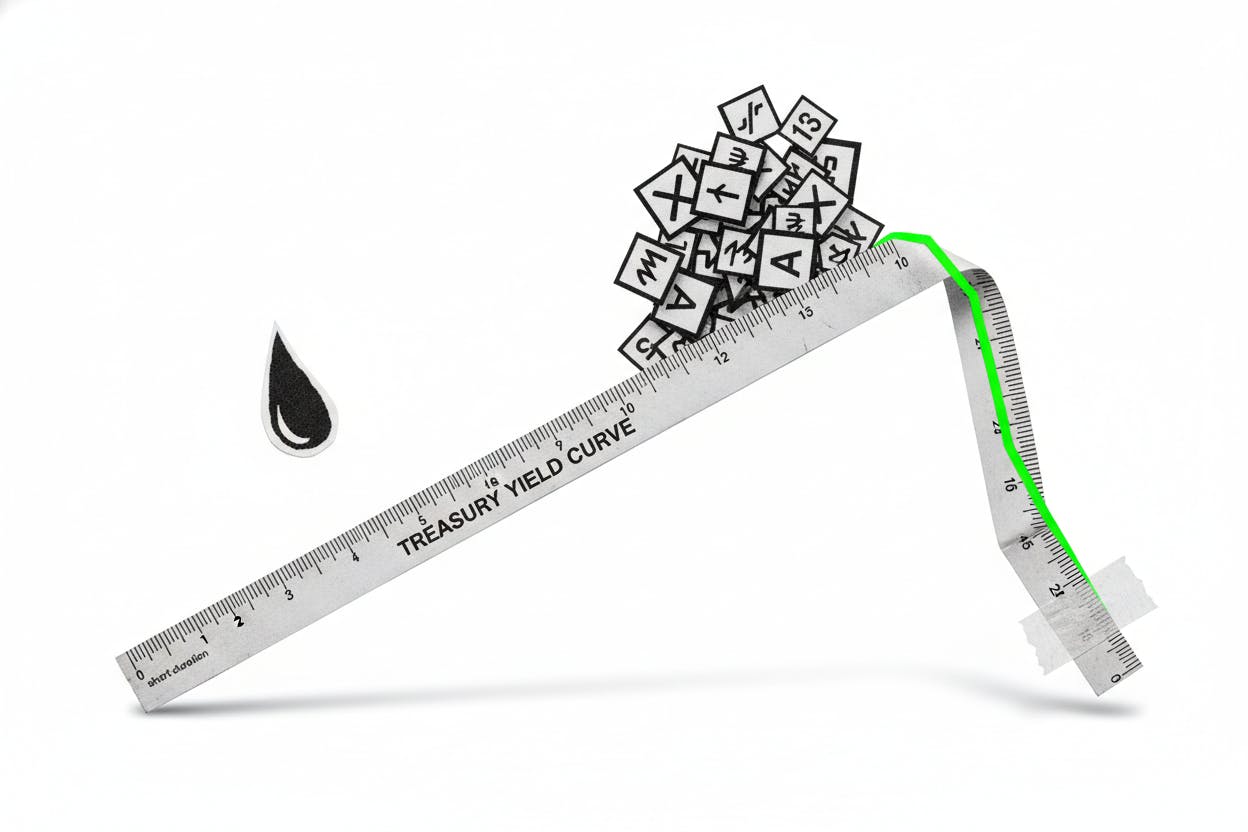
Current technicals mirror the volatility we saw in late 2023, yet the fundamental backdrop has matured. In May 2026, the 30-year Treasury yield reached 5.12%, matching the cycle peak set back in October 2023. This "double top" in the long end of the curve provides strong evidence that the peak in nominal yields is likely behind us. As inflation readings cool toward the 2% target, real interest rates remain restrictive, creating a compelling case for shifting from cash to treasuries as yields peak. This transition allows investors to lock in high single-digit total return profiles before the window of opportunity closes.
| Metric | May 2026 Observed | Year-End 2026 Forecast |
|---|---|---|
| 10-Year Treasury Yield | 4.45% | 3.75% - 4.25% |
| 30-Year Treasury Yield | 5.12% | 4.50% - 4.75% |
| Fed Funds Target | 4.50% | 3.00% - 3.25% |
| Real Yield (Inflation Adjusted) | 2.1% | 1.5% |
Key Drivers: Fed Easing vs. Fiscal Deficits
The 2026 Treasury yield outlook is a story of two competing forces: a central bank eager to normalize and a government treasury forced to borrow. On one side, we have the monetary easing cycle. With economic growth stabilizing at a sustainable pace, the Fed is moving toward a federal funds terminal rate of approximately 3.25%. Purely based on historical spreads, this should drag the 10-year yield down significantly.
However, the "yield floor" is being reinforced by a relentless sovereign debt supply. The escalating fiscal deficit means the market must absorb trillions in new Treasury issuance. When supply is high, investors demand a higher term premium to hold long-term debt. This dynamic is the primary catalyst for a yield curve dis-inversion—a process where long-term rates eventually sit higher than short-term rates once again. For those seeking the best bond duration for steepening yield curve 2026 positioning, the sweet spot lies in the five to seven-year bucket, which captures the benefits of falling short-term rates without being overly exposed to the supply-heavy long end.
The Investor's Math: For every 1% decrease in the 10-year yield, a bond with a 7-year duration will see its price increase by approximately 7%. When you add the current 4.4% coupon, the total return potential for 2026 starts to look significantly more attractive than stagnant cash equivalents.
The 2026 Wild Cards: Fed Chair Transition and Mid-terms
Every economic forecast has its "black swan" or "wild card" events. As we move through 2026, the end of Jerome Powell’s term as Fed Chair creates a localized pocket of uncertainty. Markets generally dislike leadership transitions at the central bank, and any hint of a more "hawkish" or politically influenced successor could lead to a temporary spike in yields.
Simultaneously, the November mid-term elections will keep fiscal policy in the spotlight. Institutional portfolio hedging typically increases during election cycles, as investors brace for shifts in tax policy or spending. Capital Economics notes that financial market projections for the end of 2026 estimate the 10-year Treasury yield will trade within a range of 4.00% to 4.25%, accounting for this term premium. A 10-year Treasury yield investment strategy must therefore account for these "known unknowns" by maintaining a diversified maturity profile.
Investment Strategy: Positioning Your Portfolio for the Peak
The era of "cash is king" is fading. While 5% yields on money market funds were a gift during the hiking cycle, they offer no capital appreciation in a falling rate environment. Sophisticated investors are currently rebalancing 60-40 portfolio during treasury yield normalization to ensure they aren’t caught with too much liquidity as the risk-free rate of return drifts lower.
Tactically, the move involves maturity laddering. By building a ladder of Treasuries ranging from 2 to 10 years, you ensure a steady flow of income while hedging against reinvestment risk. If yields continue their descent toward 3.75%, the longer-dated rungs of your ladder will provide the capital gains necessary to offset any cooling in equity volatility. This 10-year Treasury yield investment strategy focuses on locking in duration while yields are still historically elevated, rather than waiting for the "perfect" bottom that rarely arrives clearly.
Equities and Valuations: The Discounted Cash Flow Narrative
The 10-year Treasury yield is often called the world’s most important price because it serves as the valuation yardstick for every other asset. When the risk-free rate rises, the present value of future earnings falls. Conversely, the impact of 3.75 percent treasury yield on stock valuations is overwhelmingly positive for growth and value stocks alike.
As borrowing costs stabilize, we expect large cap value stocks performance with lower treasury yields to improve, particularly for companies with high levels of debt that need refinancing. Furthermore, tech-heavy indexes are highly sensitive to the discounted cash flows model; even a 50 basis point drop in the long-term yield can justify significantly higher P/E multiples. While the S&P 500 has faced resistance near the 4.5% yield mark, a target of 7,400 becomes mathematically plausible as the 10-year yield moves toward its projected 2026 floor.
If the 10-year yield successfully settles into the 3.75% to 4.25% range, it removes the "valuation ceiling" that haunted markets in late 2025. This creates a risk-on environment where stock and bond portfolio rebalancing becomes less about defense and more about capturing the next leg of the growth cycle.
FAQ
Are Treasury yields expected to rise or fall in the coming months?
Most analysts expect Treasury yields to trend gradually lower over the coming months. While short-term spikes may occur due to fiscal data or supply pressures, the initiation of the Federal Reserve's easing cycle creates a downward bias for nominal yields.
Is it a good time to invest in Treasury bonds given the current outlook?
Yes, for many investors, this is seen as an opportunistic window to lock in duration. As the Fed moves toward a lower terminal rate, the high coupons currently available on intermediate and long-term Treasuries are unlikely to persist, making current levels attractive for long-term income and capital appreciation.
What are the key drivers of the 10-year Treasury yield outlook?
The primary drivers include the Federal Reserve’s monetary policy path, the rate of inflation cooling toward its 2% target, and the massive supply of sovereign debt required to fund the federal deficit. The tension between these factors determines the final resting place of the 10-year yield.
What is the predicted range for the 10-year Treasury yield?
Financial market projections generally estimate the 10-year Treasury yield will trade within a range of 3.75% to 4.25% by the end of 2026. This range reflects a balance between a cooling economy and persistent structural demand for higher yields due to government borrowing.
What impact will Federal Reserve rate cuts have on bond yields?
Federal Reserve rate cuts have a direct impact on pulling down short-term yields. While the long end of the curve (10-year and 30-year) follows this trend, it is also influenced by global growth expectations and inflation premiums, which can lead to a steepening of the yield curve rather than a parallel shift downward.
As we navigate this transition, remember that clarity in the bond market usually precedes stability in the stock market. By positioning for a yield peak now, you are not just chasing a trend—you are aligning your portfolio with the gravitational pull of a normalizing economy. If you find your current allocation heavily skewed toward short-term cash, now is the time to consult with a professional to manage your duration risk before the cycle fully turns.