Quick Facts
- 2030 Target: Honda aims to achieve division-wide profitability for its aircraft business by the end of the decade.
- Key Catalyst: The market entry and production ramp-up of the HondaJet Echelon, scheduled for 2028.
- Technical Milestone: The Echelon targets a 2,625 nautical mile range, enabling the first single-pilot transcontinental flights across the U.S.
- Operational Efficiency: The upcoming aircraft is projected to offer up to 40% better fuel economy compared to traditional midsize jets.
- Market Traction: The division has already secured approximately 500 letters of intent from prospective buyers for the new model.
- Revenue Strategy: A transition toward a recurring revenue model driven by a global maintenance network and certified pre-owned sales.
Honda aims to achieve division-wide hondaJet profitability by 2030 through a strategy focused on lifting unit prices and expanding high-margin aftermarket services. By scaling its global maintenance network and strengthening its certified pre-owned program, the company seeks to build a resilient honda aircraft recurring revenue model that stabilizes cash flow during cyclical fluctuations in the business aviation market.
The Echelon Catalyst: Scaling for 2030
The transition from a capital-heavy research and development phase to a profit-centered enterprise hinges on the evolution of the product lineup. For years, the original light jet served as a proof-of-concept for Honda’s engineering prowess, but the path to sustainable hondaJet profitability requires a broader market reach and stronger unit economics. The HondaJet Echelon represents this strategic shift, moving beyond the light jet niche into an underserved efficiency gap between light and midsize categories.
Production scaling is already in motion at the Greensboro manufacturing hub in North Carolina. This facility is not merely an assembly plant but the heart of a specialized supply chain involving partners like Spirit AeroSystems. Essential hondajet echelon production milestones to monitor before 2028 launch include the commencement of the Greensboro production start in 2025 and the first flight milestone slated for 2026. These dates serve as critical valuation catalysts for investors, as they mark the transition from design to tangible asset.
The echelon market potential is anchored in its ability to disrupt current business aviation standards. By offering single-pilot operation on transcontinental routes like New York to Los Angeles, the model reduces the direct operating costs significantly compared to twin-pilot midsize aircraft. For a corporate flight department, the ability to fly 2,625 nautical miles with a 20% to 40% improvement in fuel efficiency is a compelling financial proposition. Investors should watch the conversion of the existing ~500 letters of intent into firm, non-refundable orders as the 2026 flight test approaches, as this will provide a clearer picture of the order book’s depth.
Shifting to an Ecosystem Economy: Recurring Revenue
For any aircraft manufacturer, selling the hull is only the beginning of the financial relationship. High-margin manufacturing is rare; the real margin expansion typically occurs in the decades of service following the sale. Honda is aggressively pursuing a honda aircraft recurring revenue model by expanding its global maintenance network and footprint of authorized service centers.
As of early 2024, the global HondaJet fleet had already delivered a combined total of 250 aircraft and surpassed 210,000 flight hours. These hours represent a massive pool of potential maintenance, repair, and overhaul activity. By capturing this internal demand, Honda can achieve significant honda business jet margin expansion. Furthermore, the honda certified pre-owned jet program as a profit stabilizer allows the company to maintain residual values for its customers while extracting value from the secondary market. A healthy secondary market is vital for a premium brand, ensuring that entry-level buyers can eventually graduate to the newer Echelon model.
| Milestone Year | Strategic Objective | Financial Impact Projection |
|---|---|---|
| 2024–2025 | Elite II Optimization & Echelon Prep | R&D peak; stabilizing fleet service income |
| 2026 | First Echelon Flight | LOI conversion into firm contract revenue |
| 2028 | Echelon Entry Into Service (EIS) | Dramatic shift in unit revenue and manufacturing volume |
| 2030 | Division-Wide Break-Even | Achievement of target hondaJet profitability |
Another critical component of the long-term strategy is addressing environmental regulation. The sustainable aviation fuel adoption as a long-term risk for hondajet is being managed through proactive testing and compatibility goals. Honda’s Greensboro hub is already testing 100% SAF compatibility, ensuring the fleet remains compliant with future carbon offset mandates. In the world of general aviation, environmental compliance is no longer a luxury—it is a prerequisite for corporate buyers who must report ESG metrics to their own shareholders.
Strategic Integration: Mapping to Honda’s 10% ROIC
From an investor's perspective, the aircraft division must be evaluated within the context of the parent company’s broader capital allocation strategy. Honda Motor Co. has set a corporate target of achieving a 10% Return on Invested Capital (ROIC) by the early 2030s. Understanding how hondajet 2030 profit goal impacts honda stock valuation requires looking at the jet division not as a hobbyist project, but as a high-technology incubator and a future contributor to the group’s net income.
While much of Honda’s capital is currently diverted to EV development and battery technology, the aviation unit offers a different risk profile. The jet business typically experiences less price volatility than the mass-market automotive sector. With a list price for the upcoming Echelon estimated well above the current $7 million for the Elite II, the unit economics become significantly more attractive. By leveraging composite materials and advanced avionics, the division creates a technology "halo" that trickles down to other mobility sectors, including marine and robotics.
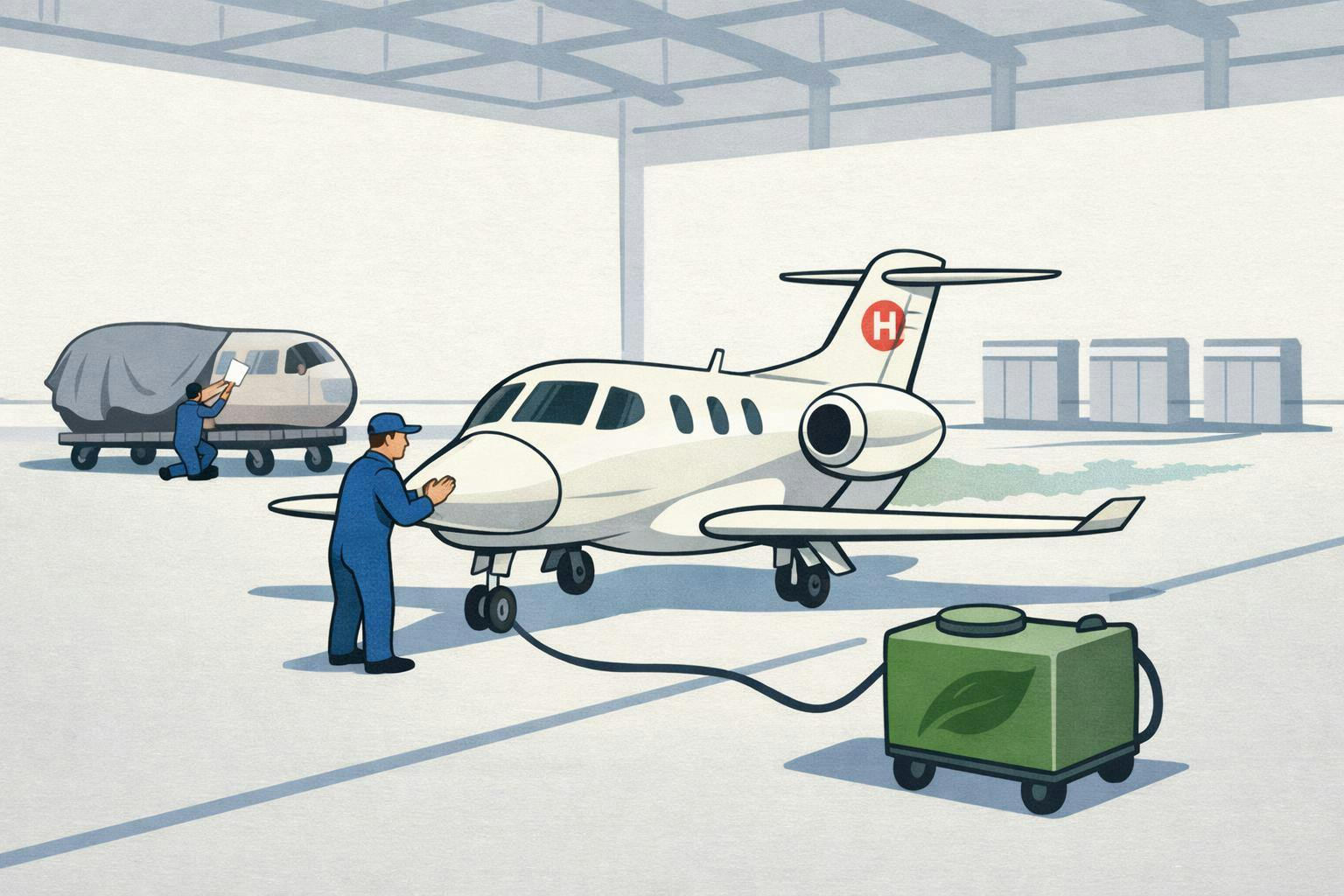
The collaboration with Spirit AeroSystems for the Echelon’s fuselage signifies a maturing approach to supply chain scaling. Rather than attempting to bring every component in-house, Honda is partnering with aerospace veterans to de-risk production. This reduces the capital intensity of the manufacturing process, allowing the Greensboro manufacturing hub to focus on final assembly and type certification. If Honda can execute this ramp-up successfully, the aviation segment will transition from a drag on earnings to a consistent cash-flow generator, adding a layer of diversification to the stock’s valuation.
Risks to the 2030 Profitability Goal
Identifying the path to profit does not mean the route is without turbulence. One major area for scrutiny is the conversion of progress into signed contracts. There are specific hondajet echelon letters of intent conversion risks for investors to consider. Letters of intent are non-binding expressions of interest; if the global economy slows or if the aircraft fails to meet its performance specs during the 2026 tests, those 500 "leads" could fail to materialize into firm orders.
Furthermore, the competitive landscape in business aviation is fierce. Existing players in the midsize jet segment are not static; they are likely to introduce efficiency upgrades of their own to counter Honda’s 40% fuel efficiency advantage. Success for the Echelon depends on it remaining the superior choice for single-pilot transcontinental flight—a high-stakes engineering promise.
Investment Comparison: Fuel Cost & Maintenance
When evaluating honda aircraft recurring revenue from maintenance networks, it is essential to compare the Echelon against traditional midsize jets. A standard midsize jet may burn 200–250 gallons of fuel per hour. The Echelon’s target design aims to significantly lower this, potentially saving owners hundreds of thousands of dollars in annual operating costs. For investors, this lower cost of ownership is the primary "selling point" that ensures consistent demand and, consequently, a stable stream of aftermarket service revenue.
FAQ
Is Honda Aircraft Company profitable?
Currently, the aircraft division operates as a capital-intensive segment within Honda’s broader mobility portfolio. While it generates revenue through deliveries of the Elite II and maintenance services, the division is focused on reaching division-wide hondaJet profitability by fiscal year 2030 as it scales its production and transitions to the Echelon model.
When did the HondaJet division first report a profit?
The division has not yet reported a sustained annual net profit on a standalone basis. However, the company has indicated that the current strategy, involving price adjustments and the expansion of the certified pre-owned program, is narrowing the gap toward the 2030 break-even goal.
Is the HondaJet considered a successful business venture for Honda?
From a technological and brand perspective, it is a significant success, proving that the company can disrupt the aerospace sector with innovative designs like the Over-the-Wing Engine Mount. From a financial perspective, the success of the venture will be determined by its ability to hit the 2030 profit target and contribute to the parent company’s ROIC goals.
How many HondaJets are delivered each year?
Delivery numbers vary based on market demand and supply chain conditions. Since its market entry in 2015, the company has delivered a cumulative total of 250 aircraft, averaging roughly 25 to 35 deliveries annually in recent years as it prioritizes premium positioning over mass volume.
What is the hourly operating cost of a HondaJet?
The HondaJet is recognized for having one of the lowest hourly operating costs in the light jet category due to its fuel efficiency and streamlined maintenance requirements. The upcoming Echelon is expected to further this advantage by offering midsize jet range at light jet operating costs, though exact figures will be finalized closer to its 2028 certification.