Quick Facts
- Current Rate: As of June 1, 2026, the yield on the U.S. 2-Year Treasury Note reached 4.04%.
- Monthly Change: The yield reflects a 0.17 percentage point increase from the previous month.
- Annual High: Investors saw a 2026 peak of 4.12% in late May due to market volatility.
- Inflation Data: Core Personal Consumption Expenditures (PCE) inflation recently climbed to 3.2% year-over-year.
- Fed Outlook: Markets are currently pricing in a 59.1% probability of another interest rate hike.
- Primary Driver: Persistent inflation fears, specifically regarding energy price shocks and gasoline costs.
- Consumer Impact: Rising short-term yields are driving up costs for credit cards and variable-rate debt.
As of June 1, 2026, the 2-year treasury yield has surged to 4.04%, driven by persistent inflation fears and rising gasoline prices. This movement is a critical signal of a hawkish Federal Reserve policy. The 2-year treasury yield is currently rising because investors anticipate that the Fed will maintain higher interest rates to combat sticky inflation, which directly raises borrowing costs for variable-rate consumer debt.
The Energy Factor: Why Gasoline Prices Spiked the 2-Year Yield
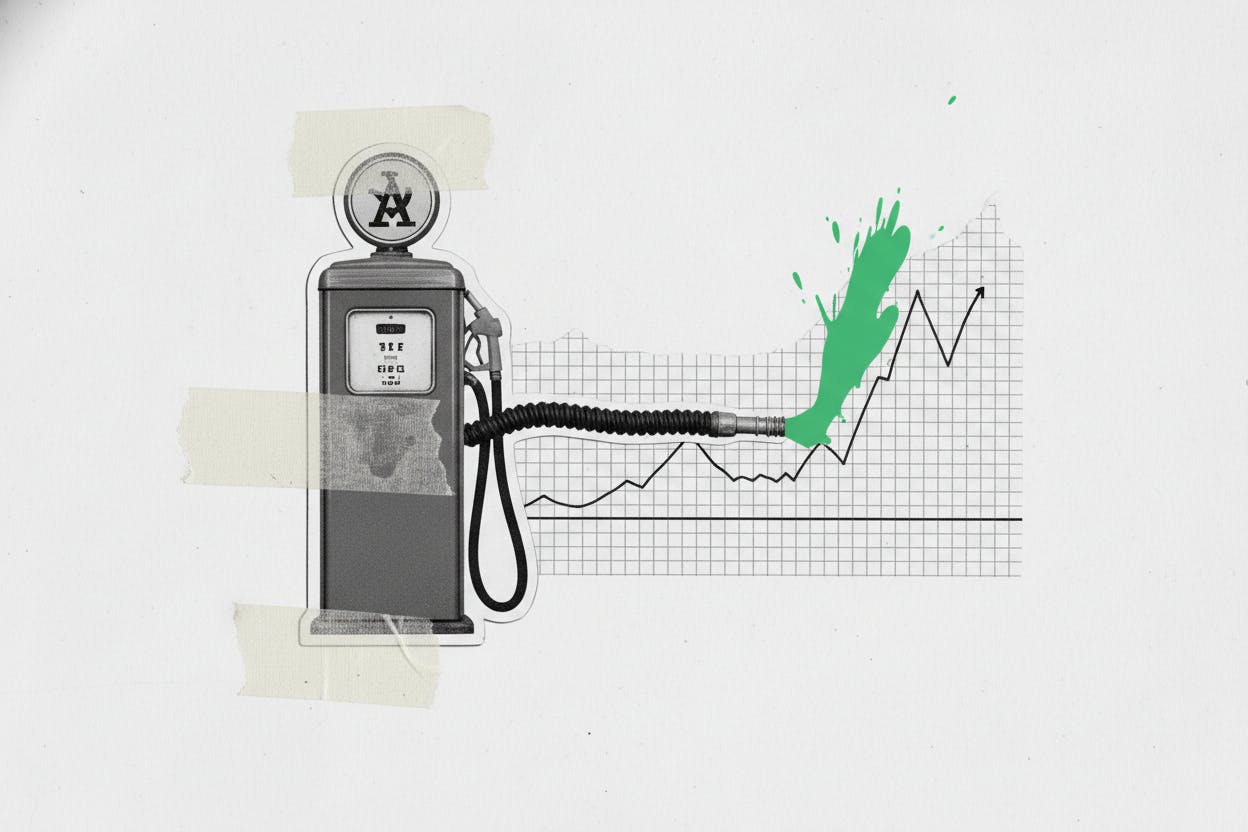
The relationship between the pump and the bond market has rarely been as visible as it is in the current 2026 economic landscape. Throughout the second quarter, gasoline prices have experienced significant volatility, acting as a primary catalyst for the recent jump in the 2-year treasury yield. When energy costs rise, they don't just affect the cost of a daily commute; they seep into the entire supply chain, raising the cost of transporting goods and providing services.
This phenomenon, often referred to as energy price shocks, has led to a renewed bout of inflation fears among institutional and retail investors alike. Because gasoline is a high-visibility component of the Consumer Price Index, any sustained upward movement signals to the market that the Federal Reserve may have more work to do. On June 1, 2026, the yield on the U.S. 2-Year Treasury Note rose to 4.04%, marking a 0.17 percentage point increase over the previous month as these energy concerns took hold.
Short-term debt instruments are particularly sensitive to these shifts. While a 10-year note might look past a temporary spike in oil prices, the 2-year treasury yield reacts almost instantaneously to the inflation impact on short-term treasury yields. Investors understand that the central bank cannot ignore rising energy costs if they threaten to unanchor inflation expectations. Consequently, when gasoline prices fluctuate, the market immediately builds a higher risk premium into short-duration bonds, anticipating a more aggressive monetary tightening path.
Fed Policy and the Short-End Sensitivity
In the world of fixed income, yields on the short end of the curve act like a tether to the Federal Reserve’s actual interest rate. As an editor specializing in portfolio strategy, I often tell my readers that if the 10-year yield is a weather forecast for the next decade, the 2-year treasury yield is the GPS for the next two years of central bank policy.
The recent 2026 data confirms this sensitivity. The U.S. 2-Year Treasury yield reached a 2026 high of 4.12% in late May as investors faced persistent inflation fears and geopolitical uncertainty in the Middle East. This surge was not a fluke; it was a direct reaction to core PCE inflation trending upward to 3.2% year-over-year. As the core data moved higher, the CME FedWatch Tool began reflecting a stark reality: bond market traders were pricing in a 59.1% probability of a Federal Reserve interest rate hike.
Why the 2-year treasury yield is a better rate guide than the 10-year comes down to the concept of duration risk versus policy risk. The 10-year yield factors in long-term economic growth and demographic shifts, which can sometimes mute its reaction to monthly inflation prints. Conversely, the 2-year yield is almost entirely focused on the federal funds rate. When policymakers adopt a hawkish stance to defend the purchasing power of the dollar, the 2-year yield is the first place that shift is codified. We are currently seeing a classic yield curve inversion where short-term rates remain stubbornly high, signaling that the market expects monetary tightening to remain the dominant force for the foreseeable future.
| Metric | Market Consensus (Current) | Analyst Forecast (Year-End 2026) |
|---|---|---|
| 2-Year Treasury Yield | 4.04% | 4.15% - 4.25% |
| Fed Funds Rate Bias | Hawkish | Neutral to Hawkish |
| Core PCE Target | 3.2% | 2.8% |
| Probability of Hike | 59.1% | 45% |
Impact on Your Wallet: Credit Cards and Variable-Rate Loans
For the average consumer, the rise in the 2-year treasury yield isn't just a number on a financial news ticker; it is a direct driver of household expenses. Most variable-rate consumer debt is benchmarked against short-term interest rates. When the 2-year yield stays elevated or spikes, it provides the floor for what banks charge on credit cards and home equity lines of credit.
The 2-year treasury yield impact on credit card interest rates 2026 has been particularly pronounced. Lenders use short-term yields to determine their own cost of funds. If the risk-free rate for a 2-year loan is over 4%, a bank must charge significantly more to account for credit risk and profit margins. This explains why we haven't seen the expected drop in annual percentage rates (APRs). Instead, consumers are facing higher debt servicing costs, which can quickly erode purchasing power even if their nominal wages are rising.
The impact of 2-year treasury yield trends on home equity lines of credit is equally significant. HELOCs are typically tied to the prime rate, which moves in lockstep with the Federal Reserve’s decisions—decisions that are signaled in advance by the 2-year yield. When the market prices in a higher-for-longer scenario, those with variable-rate home equity loans see their monthly interest payments climb. This creates a compounding effect: as energy prices rise, living expenses go up, and the cost of the debt used to cover those expenses also rises.
Strategic Moves: Managing Your Money in a 4% Yield Environment
Navigating a high-yield environment requires a shift from passive observation to active strategy. Whether you are a borrower or a saver, the 4% threshold for the 2-year treasury yield represents a crossroads for portfolio allocation and debt management.
Strategy Tip: When short-term yields exceed long-term yields (inversion), it is often an opportune time for savers to lock in high rates without the long-term price risk of 10-year or 30-year bonds.
One of the best financial moves when 2-year treasury yield exceeds 4 percent is to re-examine your cash equivalents. High-yield savings accounts and short-term Certificates of Deposit (CDs) often see their rates follow the 2-year note. If you have been keeping large sums in a traditional checkings account earning 0.01%, you are effectively losing money to inflation. Moving that liquidity into accounts anchored to these higher short-term yields can help preserve your purchasing power.
For those managing variable-rate loans in high interest environments, the priority should be stabilization. If you have a HELOC or a variable-rate personal loan, consider whether you can convert it into a fixed-rate product. While fixed rates might seem high now, they protect you from the risk of a hawkish Federal Reserve pushing rates even higher if inflation proves to be stickier than expected. Learning how to manage variable-rate loans when short-term yields rise involves a careful calculation of your monthly cash flow against the potential for another 0.25% or 0.50% increase in the prime rate.
From an investment perspective, the front end of the curve—where the 2-year treasury yield sits—currently offers a compelling risk-adjusted return. For many years, investors had to take significant risks in the stock market just to beat inflation. Today, a risk-aware strategy might involve allocating a larger portion of a portfolio to these short-term notes, securing a predictable 4%+ return while waiting for more clarity on the long-term inflation outlook.
FAQ
What does the 2-year Treasury yield represent?
The 2-year Treasury yield is the interest rate the U.S. government pays to borrow money for a two-year period. It is considered a primary benchmark for short-term interest rates and is the most sensitive indicator of market expectations regarding the Federal Reserve's monetary policy over the next 24 months.
How does the 2-year Treasury yield affect mortgage rates?
While 30-year fixed mortgages are more closely tied to the 10-year yield, the 2-year Treasury yield has a major impact on short-term and adjustable-rate mortgages (ARMs). When the 2-year yield rises, the initial rates on ARMs usually increase, and lenders may tighten credit standards for all mortgage products in anticipation of higher costs.
Why is the 2-year Treasury yield higher than the 10-year yield?
This phenomenon is known as a yield curve inversion. It typically occurs when investors are concerned about the near-term economic outlook and expect the Federal Reserve to keep interest rates high to fight inflation, even if those high rates eventually cause an economic slowdown or recession in the long term.
How do Federal Reserve interest rate changes affect the 2-year Treasury yield?
The 2-year yield moves in anticipation of Federal Reserve actions. If the Fed signals it will raise the federal funds rate, the 2-year yield will almost always rise before the actual rate hike occurs. Conversely, if the Fed becomes dovish and hints at rate cuts, the 2-year yield will likely decline as traders price in the cheaper cost of borrowing.
Is now a good time to invest in 2-year Treasuries?
Investing in the 2-year treasury yield can be attractive when rates are above 4%, as it offers a relatively high, government-backed return with low duration risk. This can be an effective way to park cash and generate income while staying protected from the price volatility often found in longer-term bonds during periods of high inflation.