Quick Facts
- Threshold Methodology: Insurers use either a fixed total loss threshold or a more complex economic formula to decide if a car is worth repairing.
- National Standards: A 75% threshold is the most common standard adopted by 15 states, meaning once repairs hit 75 percent of the car's value, it is legally totaled.
- State Extremes: Legislation varies significantly by region, with Nevada having the lowest threshold at 50% and Texas and Colorado setting the bar at 100%.
- Technical Triggers: Airbag deployment and the need to recalibrate advanced driver assistance systems (ADAS) are the leading causes for modern vehicles exceeding repair limits.
- Negotiation Power: Drivers can utilize the appraisal clause in their policy to hire an independent appraiser if they disagree with the insurance company's valuation.
- Hidden Costs: Supplemental inspections often reveal an additional 20 to 30 percent in teardown costs, which can push a borderline vehicle into total loss status.
State insurance laws typically follow one of two methods to determine if a vehicle is totaled: a fixed total loss threshold or the total loss formula. A fixed threshold mandates a total loss when repair estimates reach a specific percentage of the vehicle's actual cash value, often between 70% and 80%. Alternatively, the total loss formula considers the vehicle totaled if the cost of repairs plus the salvage value exceeds the car's actual cash value.
The Collision Calculus: Understanding Thresholds and Formulas
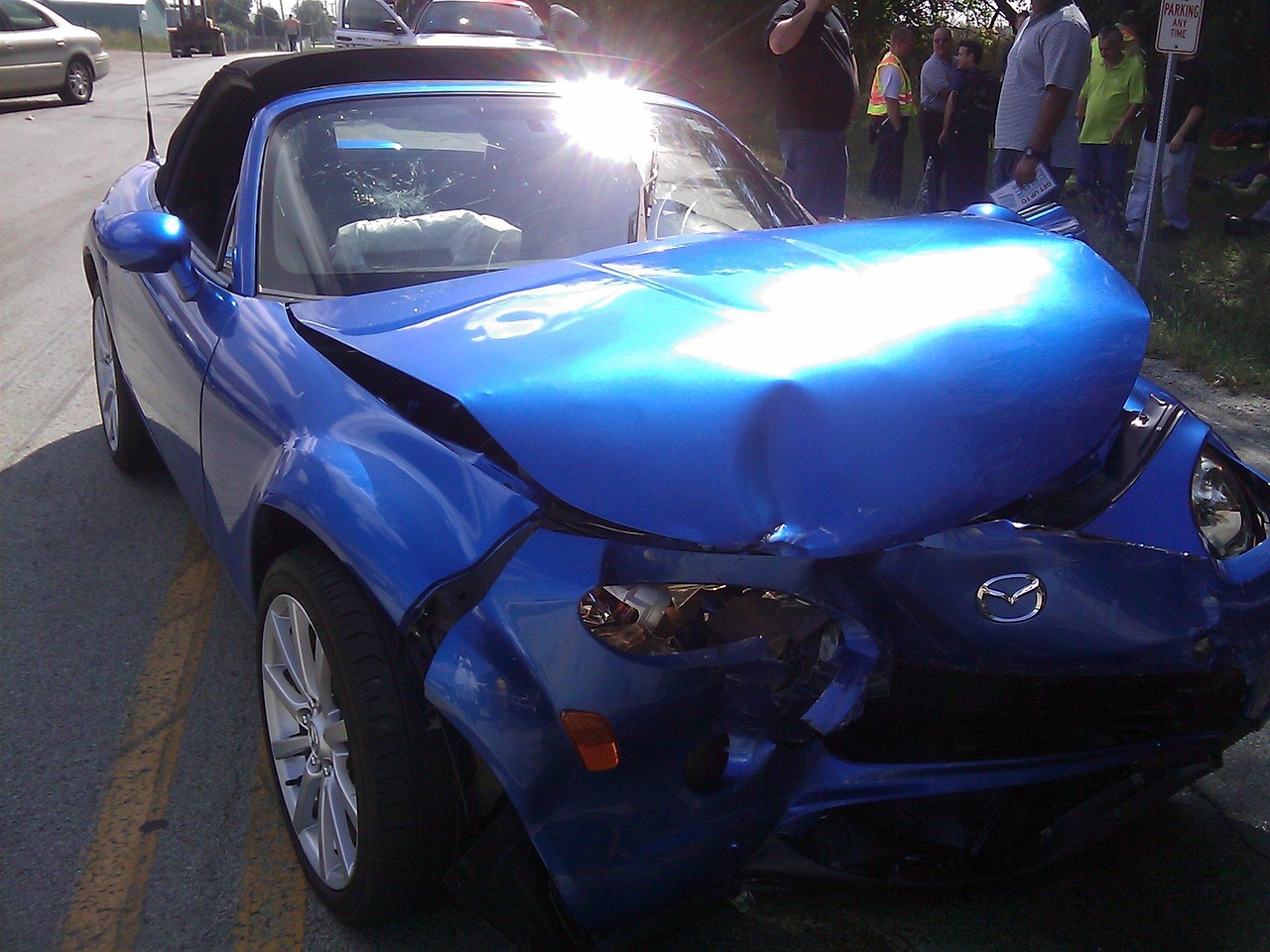
Imagine you are driving a 2026 luxury sedan equipped with the latest safety sensors. A low-speed collision in a parking lot crackles the front bumper and triggers the steering wheel airbag. At first glance, it looks like a simple fix. However, when the claims adjuster finishes their review, you are stunned to hear that the vehicle is a total loss. This outcome is rarely a matter of a single person's opinion; it is the result of strict state-mandated arithmetic.
The most common ways insurers arrive at this conclusion involve two distinct legal frameworks. The first is the total loss threshold, which is a rigid percentage set by state law. If your car is worth $40,000 and you live in a state with a 75 percent threshold, any repair estimate that hits $30,000 will result in a total loss.
The second method is the total loss formula, often used in states like California. This approach is more fluid. It does not look at a fixed percentage but instead calculates if the cost of repair plus the salvage value of the car (what it's worth at a junk yard) exceeds the actual cash value. In 2026, as the demand for salvaged computer chips and batteries has stayed high, the salvage value has become a more influential part of this equation.
| State Comparison | Statutory Method | Threshold Percentage |
|---|---|---|
| Nevada | Fixed Threshold | 50% |
| Florida | Fixed Threshold | 80% |
| Texas | Fixed Threshold | 100% |
| Colorado | Fixed Threshold | 100% |
| California | Total Loss Formula | Varies based on Salvage |
| New York | Fixed Threshold | 75% |

Understanding how state total loss threshold percentages are applied is crucial for anyone entering the claims process. If you are in Nevada, where the legal threshold is as low as 50% of the actual cash value, your car is essentially twice as likely to be totaled than if you were in Texas. When calculating the actual cash value vs repair cost, adjusters must factor in not just the visible damage but also the regional labor rates, which have seen significant increases heading into 2026.
The Safety Cascade: Why Modern Technology Accelerates Totaling
The primary reason modern vehicles reach the total loss threshold so quickly is the complexity of safety and convenience technology. In the past, a bumper was a piece of steel meant to absorb an impact. Today, it is a sophisticated housing for radar sensors and ultrasonic cameras.
The impact of airbag deployment on vehicle total loss cannot be overstated. Replacing a single driver-side airbag can cost between $1,000 and $2,000, but modern cars often deploy a curtain of protection throughout the cabin. A full deployment kit replacement, including the dashboard and headliner, can easily exceed $9,000.
Beyond the bags themselves, insurers must account for seatbelt pretensioners. These are one-time-use explosive devices that cinch the seatbelt tight during a crash. Replacing these, along with the required safety system resets, adds significant labor hours to the bill. Furthermore, total loss risks for ADAS and collision sensor repairs are at an all-time high. Even if the bodywork is minor, a sensor that is slightly out of alignment must be recalibrated using specialized equipment. This technical labor, often billed at premium rates, can push a mid-range vehicle past the state-mandated percentage of its market value.
Math Box: TLT vs. TLF Calculation
Method A: Total Loss Threshold (Fixed %)
- Vehicle Value: $30,000
- State Threshold (e.g., NY): 75%
- Totaled if repairs > $22,500
Method B: Total Loss Formula (Economic Value)
- Vehicle Value: $30,000
- Repair Estimate: $20,000
- Salvage Value: $12,000
- $20,000 + $12,000 = $32,000. Since $32,000 > $30,000, the car is totaled.

When an adjuster writes a vehicle valuation report, they aren't just looking at the fender; they are looking at the software that keeps you in your lane. If the structural integrity of a sensor mount is compromised, the cost to ensure that the car remains safe to drive often makes the actual cash value vs repair cost balance unfeasible for the insurance company.
Decoding Actual Cash Value (ACV)
One of the most common points of friction in the total loss insurance dispute process is the determination of the actual cash value. Many policyholders mistakenly believe that ACV is the same as the price they paid for the car or the amount they still owe on their loan. In reality, ACV represents the market value of the vehicle just before the accident occurred.
Insurers typically do not rely on public-facing sites like Kelley Blue Book for their final numbers. Instead, they use professional-grade software such as CCC One or Mitchell to generate a highly localized report. This software analyzes current market listings for comparable vehicles in your specific area, such as Southern California or the Pacific Northwest, to account for regional price variations.
Market depreciation plays a heavy role here. The moment a car is driven off the lot, it loses value, but in 2026, the specific options on your car (like extended-range batteries or premium autonomous driving packages) can help sustain value more than in previous years. If the settlement offer feels low, it may be because the claims adjuster used "comparables" that do not actually match the trim level or condition of your car. This is why having GAP insurance is vital for owners of new cars, as it covers the difference between the ACV and the remaining loan balance if the car is totaled.

Negotiating the Outcome: The Dispute Process
If you believe your insurer’s math is wrong, you are not forced to accept their first settlement offer. The total loss insurance dispute process is a formal path designed to ensure fair treatment. The first step should always be a thorough review of the vehicle valuation report. Look for missing features, incorrect mileage, or comparables that are located hundreds of miles away in cheaper markets.
Negotiating car insurance actual cash value with adjusters requires data. You should gather recent local listings for cars of the same year, make, model, and mileage. If your car had significant recent maintenance, such as a new transmission or premium tires, provide those receipts. While standard maintenance doesn't increase value dollar-for-dollar, it proves the car was in "excellent" rather than "average" condition.
Sometimes the dispute isn't about the value of the car, but the cost of the repair. You have the right to request a supplemental inspection. In many cases, a body shop will only provide an initial estimate based on what they can see. A "teardown" inspection reveals hidden frame or suspension damage that wasn't included in the first check. While this might seem counterintuitive if you want to keep your car, it is essential if you are trying to prove the vehicle should be totaled to get a full payout.
If you and the insurance company remain at a stalemate, look for the appraisal clause in your policy. This is a powerful tool for total loss insurance dispute process for high value cars. By invoking this clause, both you and the insurer hire independent appraisers. If they cannot agree, a third-party umpire is brought in to make a final, binding decision. This process can cost a few hundred dollars, but if it increases your settlement by thousands, the return on investment is clear.

In some instances, you might want to keep the vehicle even after it has been declared totaled. This involves accepting a reduced settlement offer in exchange for a salvage title. You would then be responsible for the repairs yourself. Keep in mind that insuring a car with a salvage title can be difficult and expensive, and the car's resale value will be permanently diminished.
FAQ
What is the total loss threshold for a vehicle?
The total loss threshold is the point at which the cost of repairing a damaged vehicle exceeds a specific percentage of its current market value. This limit is usually defined by state law. If a repair estimate reaches that percentage—most commonly 75 percent—the insurance company is legally required to declare the vehicle a total loss rather than paying for the repairs.
How is a car total loss threshold calculated?
Calculation methods vary by state. In threshold states, the math is simply the repair estimate divided by the actual cash value. If the result is higher than the state-mandated percentage, the car is totaled. In other states, insurers use the total loss formula, which adds the cost of repairs to the car's salvage value. If that combined total is greater than the car's market value, the vehicle is deemed a total loss.
Is a total loss threshold the same in every state?
No, thresholds vary widely across the country. Currently, 15 states have adopted a 75 percent standard, while others set their own specific limits. For example, Nevada has a very tight 50 percent threshold, meaning cars are totaled very easily. Conversely, Texas and Colorado use a 100 percent threshold, allowing for repairs right up to the full value of the vehicle before it must be declared a loss.
Can you negotiate a total loss threshold with an insurance company?
You cannot typically negotiate the legal threshold itself, as that is a matter of state law. However, you can certainly negotiate the variables that go into the calculation. You can dispute the insurance company’s assessment of your car's actual cash value by providing better comparable listings, or you can challenge the repair estimate by seeking a second opinion from a certified body shop.
Does the total loss threshold include salvage value?
In states that use a fixed percentage threshold, the salvage value is typically not included in the primary calculation. However, in states that use the total loss formula, the salvage value is a critical component. In those cases, the insurer adds the repair estimate to what they could get for the car at a salvage auction to determine if repairing the vehicle is a sound financial decision.

Taking Action on Your Claim
Navigating a total loss claim is often an emotional journey, especially if you have an attachment to your vehicle. However, the process is ultimately a financial transaction governed by the understanding total loss formula vs percentage threshold differences in your region.
Before you sign any settlement offer, take the time to verify every line of the insurance company’s valuation. Make sure they used OEM parts in their estimate if your policy allows for it, and ensure they have correctly accounted for the technical complexity of your vehicle's safety systems. If the numbers don't add up, don't be afraid to use the appraisal clause or ask for a supplemental inspection to uncover hidden damage. By staying informed and tactical, you can ensure that even in the event of a total loss, your financial recovery is complete.