Quick Facts
- Primary Rule: Standard auto insurance follows the vehicle rather than the individual driver.
- Permissive Use Limit: Occasional use is generally defined by insurers as fewer than 12 times per year.
- Household Residents: Roommates and family members living with you are typically excluded from permissive use and must be listed on the policy.
- Coverage Hierarchy: Your insurance acts as primary coverage; the unlisted driver's own policy may provide secondary coverage for excess liability.
- Financial Risk: You are vicariously liable for damages caused by anyone driving your car with your consent.
- Policy Variations: Some non-standard insurers may drop coverage to state minimums for unlisted drivers.
Most standard auto insurance policies provide unlisted driver coverage through a clause known as permissive use. This typically extends liability and collision protection to occasional drivers who have the owner's explicit or implied consent, provided they are licensed and not specifically excluded from the policy. However, the car owner remains financially responsible for any damages or liability exceeding their policy limits.
Understanding Permissive Use and Unlisted Driver Rules
When you hand over your car keys to a friend, you are doing more than just lending a vehicle; you are essentially lending your insurance policy. The foundational mechanic of the industry is that insurance follows the vehicle. This means that if an accident occurs, your policy is the first line of defense. Most unlisted driver coverage is handled through what is known as permissive use car insurance.
There is a subtle but important difference between occasional driver and permissive use. An occasional driver might be someone you expect to drive the car a few times a month, while permissive use is often reserved for truly unexpected or one-off scenarios. Consent is the pivot point here. Generally, insurers recognize two types of consent:
- Explicit Consent: You verbally or in writing give someone permission to take the car.
- Implied Consent: A long-standing understanding exists, such as a partner who frequently uses your car without asking every single time.
However, you should always check your policy declarations page before making assumptions. While major carriers tend to offer broad unlisted driver coverage, some "Named Driver Only" policies exist. These restrictive policies strictly forbid any unlisted driver coverage, meaning if you lend your car to anyone not specifically named, there is zero protection.

The Household Trap: Residents vs. Occasional Guests
One of the most common reasons for claim denials involves what industry experts call the household resident trap. While your policy likely covers a friend visiting from out of town, it often treats people living under your roof differently. Insurance companies assume that if someone lives with you, they have regular access to your keys.
Insurers require household resident insurance requirements to be met by listing every licensed driver in the home. According to industry guidelines, permissive use coverage generally excludes household members and frequent users. If you have a roommate who borrows your car once a week for groceries, or if you are considering adding adult children to car insurance vs permissive use, the latter is a dangerous gamble.
Failing to disclose a resident driver can be classified as material misrepresentation. This isn't just a clerical error; it is considered a form of insurance fraud because the insurer was unable to accurately assess the risk of everyone who has access to the vehicle.
Resident vs. Guest Coverage Comparison
| Feature | Occasional Guest | Household Resident |
|---|---|---|
| Typical Coverage | Covered via permissive use | Usually excluded unless listed |
| Frequency Limit | Fewer than 12 times per year | Regular access expected |
| Consent Required | Explicit or Implied | Must be a named driver |
| Risk of Denial | Low (for "Standard" policies) | High (if unlisted) |
Risk Assessment: The 12-Times Rule Most major auto insurance policies include a permissive use clause that extends coverage to unlisted drivers who borrow a vehicle on an occasional basis, which many insurers define as fewer than 12 times per year. If a friend or family member exceeds this threshold, they are no longer considered an occasional driver and must be added to your policy.

What Happens After an Accident? (The Claim Process)
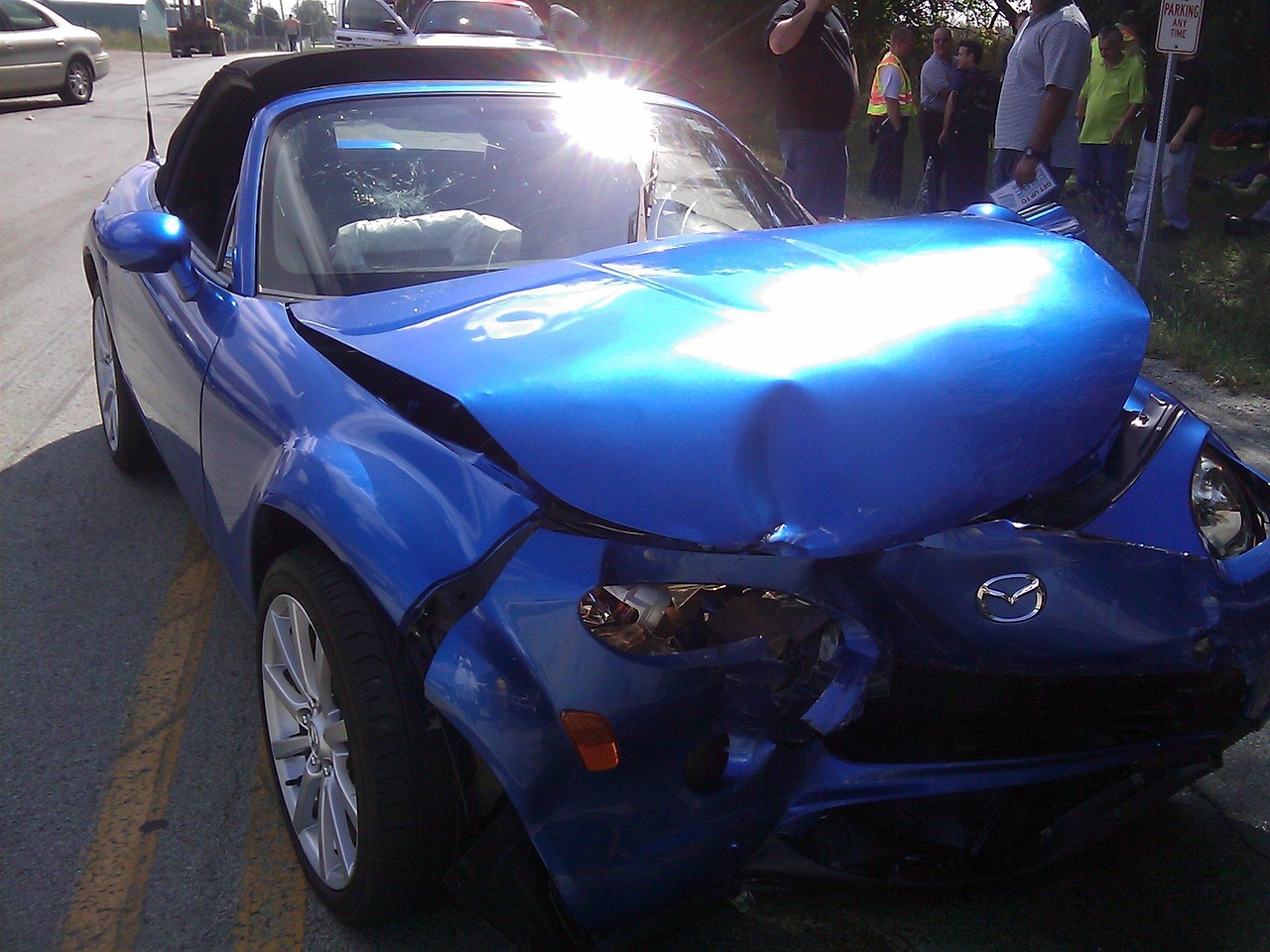
The unlisted driver accident claim process for car owners can be stressful because it directly impacts your financial standing and insurance history. If a friend crashes your car, the process typically follows this hierarchy:
- Your Policy is Primary: Your insurance pays for the damage to your car (under collision coverage) and the damage to the other party's property or injuries (under liability coverage).
- The Driver's Policy is Secondary: If the damages exceed your policy limits, the driver’s own insurance policy may kick in to cover the remaining balance.
- Owner's Vicarious Liability: In many states, you are legally responsible for the actions of anyone driving your car. If the accident is severe and both insurance policies are exhausted, the victims can come after your personal assets.
There are also long-term consequences. Even though you weren't behind the wheel, the claim will be filed against your policy. This often results in a premium increase. Furthermore, if the insurer discovers the driver was actually a frequent user, they may fulfill the claim but then immediately cancel your policy due to a breach of household resident insurance requirements.
In specific scenarios, such as when your car is hit while parked by an unlisted neighbor, you should file a third-party claim directly with their insurance company. This allows you to recover repair costs without involving your own policy or risking a rate hike. During this process, you will need to prove the neighbor's financial responsibility laws were met.

Critical Exceptions: When You Are NOT Covered
While permissive use car insurance is broad, it is not a blank check. There are several high-risk scenarios where unlisted driver coverage is almost certainly denied:
Commercial Activities
If your friend borrows your car to deliver for Uber Eats or DoorDash, your personal auto insurance will not cover an accident. Commercial use is a standard exclusion. Even if the driver has their own non-owner auto insurance, the primary liability often falls into a coverage gap that leaves the car owner exposed.
Excluded Drivers
An excluded driver endorsement is a specific addition to your policy where you and the insurer agree that a certain person—perhaps a relative with a poor driving record—is never covered. If an excluded driver takes the wheel, even in an emergency, there is no coverage.
Step-Down Provisions
You must be wary of non-standard carriers. While major insurers typically provide a policy's full liability limits for permissive users, some smaller insurance companies may reduce coverage to the state's minimum required limits for unlisted drivers. This can leave a massive gap between the "step-down" limit and the actual cost of an accident.
Non-Permissive Use
If someone takes your car without permission (theft or unauthorized use), your liability coverage typically does not apply to the damage they cause to others. However, you can still use your comprehensive coverage to repair the damage to your own vehicle, provided you file a police report.
Before You Lend Your Keys: A Checklist
- [ ] Confirm the driver has a valid license.
- [ ] Verify the driver is not a household resident (unless listed).
- [ ] Check if your policy has an excluded driver endorsement.
- [ ] Ask the driver if they have their own insurance (secondary coverage).
- [ ] Ensure the driver isn't using the car for business or delivery.

FAQ
Does insurance cover an unlisted driver?
In most cases, yes, through a clause called permissive use. This covers occasional drivers who have your permission to use the vehicle. However, the coverage is usually primary, meaning your insurance pays first, and the owner remains liable for costs exceeding the policy limits.
What is the difference between unlisted and excluded drivers?
An unlisted driver is someone not named on the policy who borrows the car occasionally and is likely covered. An excluded driver is someone specifically named in your policy documents as having no coverage under any circumstances, usually due to a high-risk driving history or to keep premiums lower.
What happens if an unlisted driver gets in an accident?
Your insurance company treats the incident as if you were driving. They will process the claim, pay for damages up to your policy limits, and likely increase your premiums afterward. If the driver has their own insurance, that policy may act as secondary coverage for any excess liability.
How does permissive use apply to unlisted drivers?
Permissive use is the specific policy provision that allows unlisted driver coverage. It applies as long as the use is occasional (usually fewer than 12 times a year) and as long as the owner gave explicit or implied consent to the driver.
Are household members automatically covered if they aren't listed on the policy?
No. In fact, household members are the most common exclusion from permissive use. Insurance companies assume residents have regular access to the vehicle, so they require them to be listed as named drivers to be covered. Using a roommate as a permissive user frequently leads to denied claims.
Do I have to list everyone in my household on my car insurance?
Generally, yes. Most insurers require you to list every licensed driver living in your home, regardless of how often they drive your car. If you do not want to pay for a high-risk household member, you may have to specifically name them as an excluded driver on your policy declarations page.